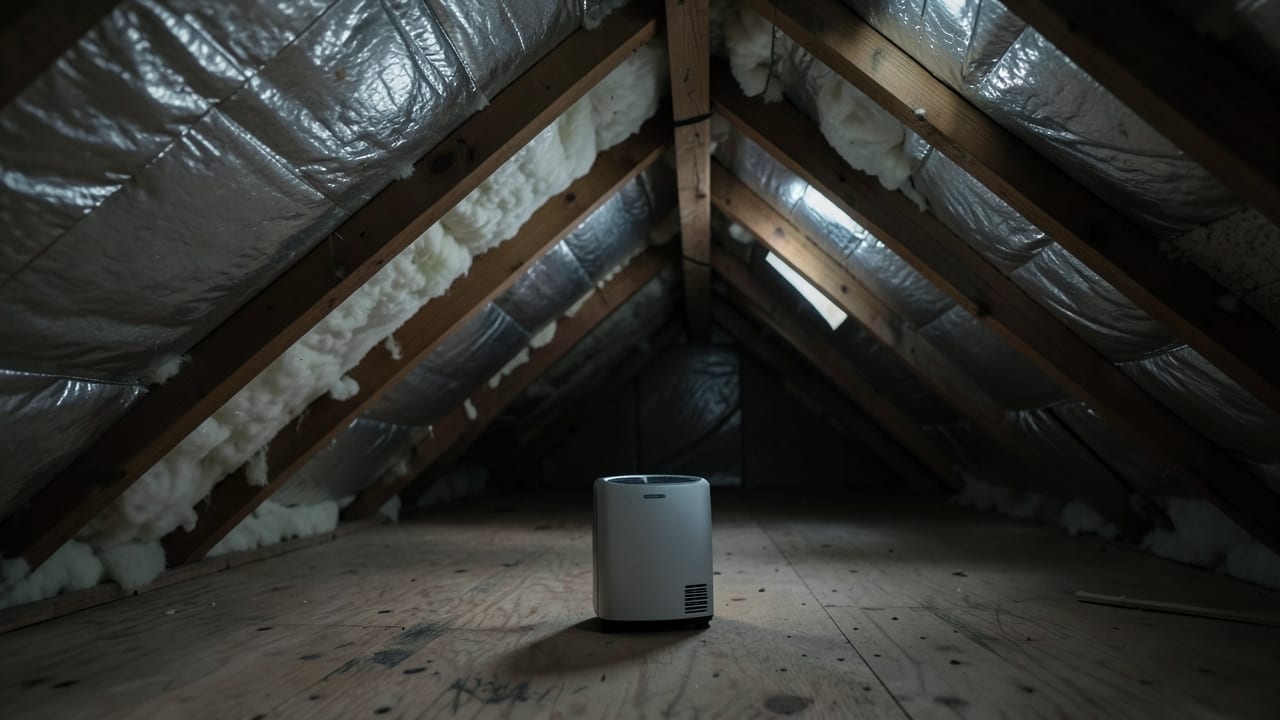
Pre-Winter Mold Prevention
Pre-winter mold prevention involves inspection and treatment to stop mold growth before cold weather.
As winter approaches in Yarmouth, MA, homeowners should prepare for mold growth in damp-prone areas like attics, basements, and crawl spaces. Pre-winter mold prevention focuses on sealing leaks, improving airflow, and treating vulnerable surfaces before cold weather traps moisture indoors.
This proactive approach helps prevent hidden mold from spreading and damaging your home’s structure over time.
We also handle School Mold Remediation and Hospital Mold Removal for Yarmouth properties.
When to act: signs you need pre-winter mold prevention
Mold growth often starts small but can become a persistent problem if ignored. Look for visible patches larger than a few square feet, recurring mold in the same spot after cleaning, or a musty odor that lingers even after addressing leaks.
These are clear indicators that moisture levels are not being controlled effectively.
Hidden mold may also signal a deeper issue. If you notice a musty smell that worsens when your HVAC system runs, spores could be circulating through your ductwork. Similarly, damp corners, basements, or windowless rooms with poor airflow are prime breeding grounds for mold that may not be immediately visible.
When Is It Past DIY?
- Mold covers more than 25 contiguous square feet (a common threshold for professional intervention).
- The same patch keeps returning after cleaning, suggesting the moisture source isn’t fixed.
- A musty smell persists with no visible mold, hinting at hidden growth in walls, under flooring, or in ductwork.
- You’re unsure whether the mold is black mold (Stachybotrys), which often requires specialized handling.
What affects cost and scope?
The cost of pre-winter mold prevention in Yarmouth varies based on the size of the affected area, the type of mold, and the extent of moisture control needed. Confirmed black mold cases typically require more intensive treatment, which can increase costs by 15-25% over standard remediation.
Additional factors like containment setup, clearance testing, and structural drying also influence pricing. Unlike commercial properties, private homes in Yarmouth are not subject to specialized licensing beyond the state’s Home Improvement Contractor (HIC) registration, which ensures basic consumer protections but does not certify expertise.
What to compare in quotes
Not all quotes for mold prevention are equal. Some may exclude critical steps like containment or clearance testing, leading to incomplete results. Always ask whether the estimate includes inspection, remediation, and third-party testing—or if those are added later as change orders.
Avoid bids that rush you into signing during the inspection or demand full payment upfront. A legitimate scope of work should be detailed in writing, with clear breakdowns of what’s included and what’s not. This protects you from unexpected costs or unfinished work.
| Red Flag | Why It’s Risky |
|---|---|
| Verbal price with no written scope | No way to compare bids or confirm what’s included. |
| Bid significantly lower than others | May skip containment or testing, leading to regrowth. |
| Full payment before work starts | Removes leverage if the job isn’t completed as promised. |
| No mention of clearance testing | No independent confirmation the mold is fully removed. |
How pre-winter mold prevention works
This process targets moisture sources and vulnerable areas before cold weather locks in humidity.
- 1Containment Setup
Plastic sheeting and negative-air machines seal off the work area to prevent spores from spreading during removal. This step is critical to avoid contaminating unaffected parts of your home.
- 2Material Removal or Treatment
Porous materials like drywall or insulation that absorb mold are cut out and bagged, while non-porous surfaces like framing or tile are scrubbed and treated. This ensures mold isn’t just moved around but fully addressed.
- 3Structural Drying
Industrial dehumidifiers and air movers dry framing and subfloors to normal moisture levels. Mold regrows quickly on damp surfaces, so this step helps prevent recurrence.
- 4Clearance Testing
An independent lab tests air or surfaces after remediation to confirm spore counts are back to normal. This step verifies the work is complete before containment is removed.
- 5Moisture Source Fix
Sealing leaks, improving ventilation, or adjusting grading outside your home addresses the root cause. Without this, mold may return within months.
Frequently asked questions
Can I handle small mold patches myself, or should I call a professional?
Small, isolated patches (under 10 sq ft) can often be cleaned with household products like vinegar or bleach, but recurring growth or larger areas signal a deeper moisture issue. If mold keeps coming back or you suspect hidden growth, professional intervention is recommended.
Will pre-winter prevention stop mold from growing again next year?
Prevention focuses on sealing leaks, improving airflow, and treating surfaces to reduce moisture. However, external factors like heavy rain or poor grading can reintroduce dampness. Regular checks and maintenance help sustain results.
Do I need to be home during the remediation process?
You typically don’t need to stay on-site, but the crew may ask you to avoid certain areas until containment is removed. They’ll provide guidance on when it’s safe to re-enter treated spaces.
How long does the entire process take from start to finish?
The timeline depends on the size of the affected area and whether hidden mold is discovered. Containment, removal, drying, and testing can take anywhere from a few days to over a week for larger jobs.
See Harwich Center, MA for more, or check out our full Yarmouth-area coverage before booking for our complete lineup.
Ready to get started?
Talk to a local mold remediation pro in Yarmouth — get a written quote.
Other Mold Remediation Services in Yarmouth

School Mold Remediation in Yarmouth, MA
Professional mold removal and remediation in schools to ensure a safe, healthy environment.
Learn More
Hospital Mold Removal in Yarmouth, MA
Professional assessment and removal of mold in hospitals to ensure a safe, healthy environment.
Learn More
Warehouse Mold Cleanup in Yarmouth, MA
Professional removal of mold from warehouse spaces to restore safe, clean conditions.
Learn More
Wood Furniture Mold Remediation in Yarmouth, MA
Professional removal and treatment of mold from wood furniture to restore safety and appearance.
Learn More
Tile & Grout Mold Cleanup in Yarmouth, MA
Professional removal of mold from tile and grout surfaces in bathrooms, kitchens, and other tiled areas.
Learn More
Vinyl Flooring Mold Treatment in Yarmouth, MA
Professional mold treatment and removal for vinyl flooring in homes.
Learn MoreCommon Questions About Mold Remediation in Yarmouth
Everything you need to know about mold remediation services in Yarmouth
How much does Pre-Winter Mold Prevention typically cost in Yarmouth, MA?
Why does Yarmouth, MA's humidity make mold a bigger risk than in drier regions?
How long does a typical mold remediation job take?
Is it safe to stay in the home during mold remediation?
Can small mold problems be handled without hiring anyone?
What's the actual difference between mold removal and mold remediation?
Need Mold Remediation in Yarmouth?
Connect with local providers in Yarmouth for a detailed quote.
⏰ We answer your call • Serving all of Yarmouth and surrounding areas