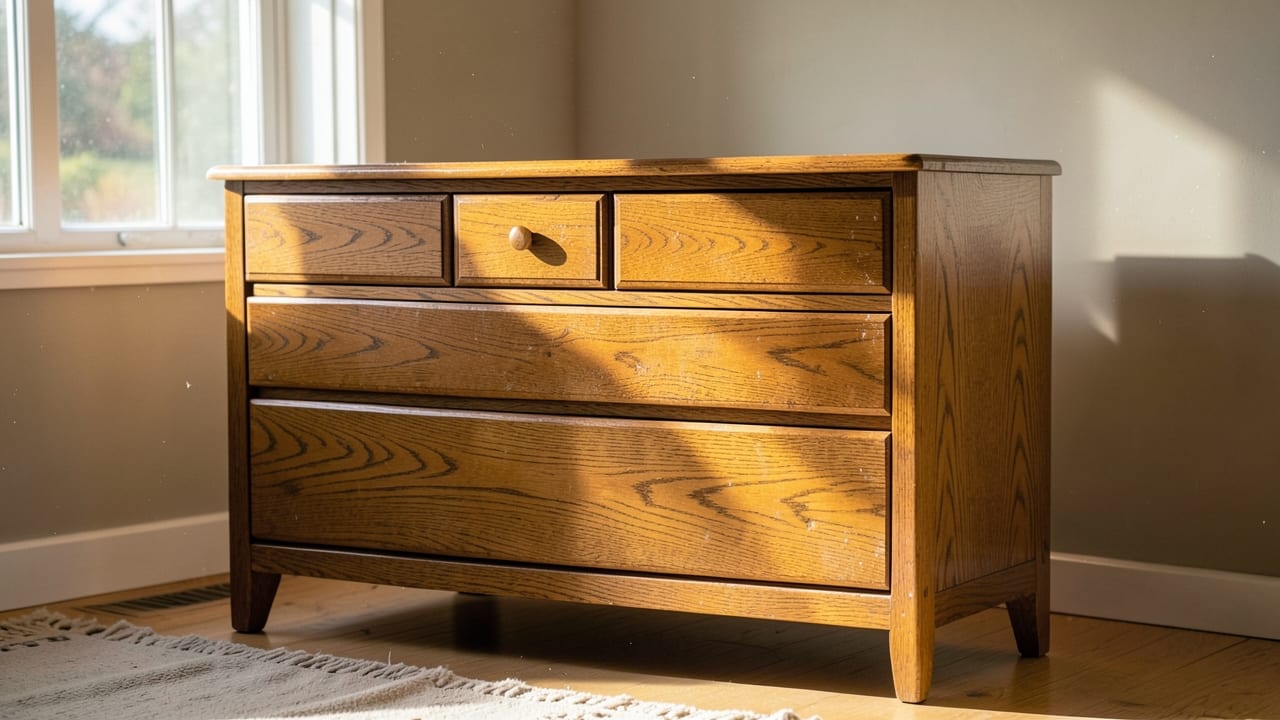
Wood Furniture Mold Remediation
Professional removal and treatment of mold from wood furniture to restore safety and appearance.
Wood furniture mold remediation in Yarmouth, MA, focuses on safely cleaning and restoring furniture affected by mold growth. Unlike surface wipes, this process targets embedded spores in porous wood, using containment, specialized treatments, and moisture control to prevent recurrence while preserving the piece’s structure and finish.
Proper techniques are critical for protecting both the furniture and your home’s air quality.
We also handle Apartment Mold Remediation and Rental Property Mold Cleanup for Yarmouth properties.
When to consider professional remediation
Mold on wood furniture often starts as a small, isolated patch but can quickly spread if moisture persists. Homeowners should seek professional help when mold covers more than a few square inches, returns after cleaning, or is accompanied by a musty smell with no visible source.
These signs suggest hidden growth or an unresolved moisture issue, both of which require specialized equipment and techniques to address safely.
DIY methods like bleach or vinegar may kill surface mold but fail to penetrate porous wood or remove spores embedded in the material. Without containment and HEPA filtration, disturbed spores can spread to other areas of your home, turning a small issue into a larger one.
Professional remediation ensures the job is done thoroughly and without cross-contamination.
Signs Your Wood Furniture Needs Professional Mold Remediation
- Mold covers more than a small, isolated patch (typically over 25 contiguous square feet, though smaller areas may require professional attention if deeply embedded).
- The mold keeps returning in the same spot after cleaning, indicating an unresolved moisture source.
- You notice a musty smell with no visible mold, suggesting hidden growth in walls, under flooring, or inside ductwork.
- The furniture feels damp to the touch or shows signs of warping, signaling long-term moisture exposure beyond surface mold.
What affects pricing and timing
Pricing for wood furniture mold remediation in Yarmouth varies based on the scope of the job, the extent of mold damage, and whether additional work—like refinishing or reupholstering—is required.
Unlike standard mold remediation, which may use per-square-foot pricing, wood furniture often requires a project-specific quote after an inspection, as the condition of the piece and the type of wood influence the approach.
Timing depends on containment setup, drying protocols, and whether the furniture needs to be disassembled or treated in place. Industrial dehumidifiers and air movers may run for days to ensure structural drying, and clearance testing adds time to confirm the job is complete.
Rush jobs or complex cases may take longer, especially if hidden moisture sources are discovered during the process.
Why containment and testing matter
Containment is the first step in professional wood furniture mold remediation, using plastic sheeting and negative-air machines to seal off the work area. This prevents spores stirred up during cleaning from spreading to other parts of your home.
Without containment, even a small job can become much larger as mold colonizes new surfaces.
Clearance testing after remediation is critical to verify that spore levels are back to normal. Independent air or surface sampling ensures the job is thorough and reduces the risk of regrowth. Skipping this step leaves no objective way to confirm whether the mold has been fully addressed.
| Step | Why It’s Critical |
|---|---|
| Containment setup | Prevents spores from spreading to unaffected areas of your home. |
| HEPA air scrubbing | Captures airborne spores during removal, unlike standard filters. |
| Structural drying | Eliminates hidden moisture that could cause mold to return. |
| Clearance testing | Confirms spore levels are safe before the area is reopened. |
How wood furniture mold remediation works
This process combines containment, cleaning, and moisture control to safely restore affected furniture.
- 1Containment
The work area is sealed off with plastic sheeting and negative-air machines to prevent spores from spreading. This step ensures disturbed mold stays isolated during removal.
- 2Cleaning and Treatment
Wood furniture is cleaned with antimicrobial solutions to kill mold and remove embedded spores. Non-porous surfaces are scrubbed, while porous materials may require deeper treatments or refinishing to restore the finish.
- 3Structural Drying
Industrial dehumidifiers and air movers dry the area to prevent moisture buildup, which is essential for stopping regrowth. This step often runs for days to ensure complete drying.
- 4Clearance Testing
An independent lab tests air or surface samples to confirm spore levels are back to normal. This step is required to verify the job is complete and safe.
- 5Moisture Source Fix
The underlying cause—like a leak, condensation, or poor ventilation—is addressed to prevent future mold growth. This is the most critical factor in long-term success.
Frequently asked questions
Can I clean mold off my wood furniture myself, or should I call a professional?
Surface mold can sometimes be cleaned with a damp cloth and mild detergent, but embedded spores or hidden moisture require professional tools like HEPA vacuums and antimicrobial treatments. If the mold keeps returning or covers a large area, professional remediation is recommended to prevent further damage.
How long does the remediation process take for wood furniture?
The timeline varies depending on the extent of mold, the size of the furniture, and whether drying or refinishing is needed. Containment, drying, and testing can take several days, especially if hidden moisture is discovered during the process.
Will my wood furniture look the same after remediation?
Professional treatment aims to restore the furniture’s appearance, but deep stains or structural damage may require refinishing or reupholstering. The goal is to remove mold safely while preserving the piece’s integrity as much as possible.
How do I know if the mold has been fully removed after remediation?
An independent clearance test—either air or surface sampling—confirms that spore levels are back to normal. Without this step, there’s no objective way to verify the job is complete.
See North Eastham, MA for more, or find out about our full crew's Yarmouth services step by step for our complete lineup.
Ready to get started?
Talk to a local mold remediation pro in Yarmouth — get a written quote.
Other Mold Remediation Services in Yarmouth
Apartment Mold Remediation in Yarmouth, MA
Professional mold removal and remediation for apartments to restore safe living conditions.
Learn More
Rental Property Mold Cleanup in Yarmouth, MA
Professional mold removal and remediation for rental properties to restore safe living conditions.
Learn More
School Mold Remediation in Yarmouth, MA
Professional mold removal and remediation in schools to ensure a safe, healthy environment.
Learn More
Hospital Mold Removal in Yarmouth, MA
Professional assessment and removal of mold in hospitals to ensure a safe, healthy environment.
Learn More
Warehouse Mold Cleanup in Yarmouth, MA
Professional removal of mold from warehouse spaces to restore safe, clean conditions.
Learn More
Tile & Grout Mold Cleanup in Yarmouth, MA
Professional removal of mold from tile and grout surfaces in bathrooms, kitchens, and other tiled areas.
Learn MoreCommon Questions About Mold Remediation in Yarmouth
Everything you need to know about mold remediation services in Yarmouth
How much does Wood Furniture Mold Remediation typically cost in Yarmouth, MA?
Why does Yarmouth, MA's humidity make mold a bigger risk than in drier regions?
Does homeowners insurance typically cover mold remediation?
Is black mold actually more dangerous than other mold types?
How long does a typical mold remediation job take?
Is it safe to stay in the home during mold remediation?
Need Mold Remediation in Yarmouth?
Connect with local providers in Yarmouth for a detailed quote.
⏰ We answer your call • Serving all of Yarmouth and surrounding areas