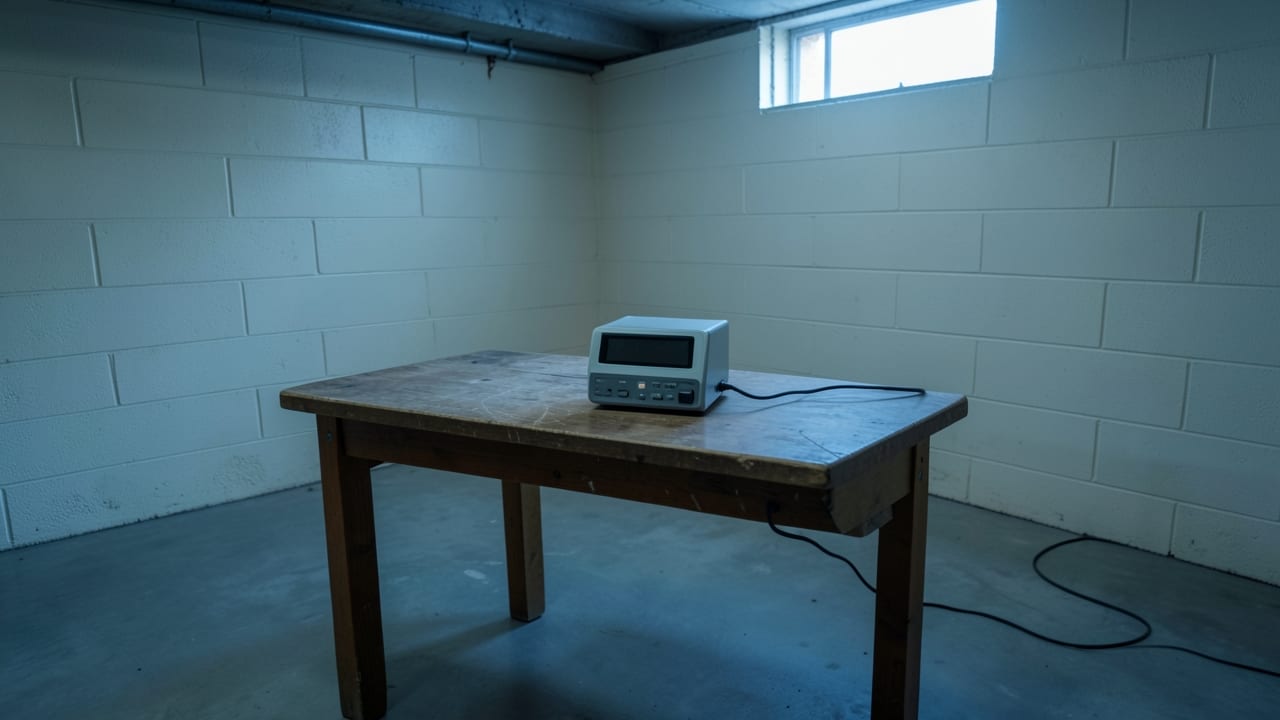
Pre-Sale Mold Clearance
Pre-sale mold clearance involves inspection and testing to confirm a property is mold-free before purchase.
Pre-sale mold clearance in Yarmouth, MA, ensures your home is free of hidden mold before closing. This process involves a thorough inspection, air and surface sampling, and moisture source identification to address potential issues that could affect the sale.
It helps buyers and sellers avoid surprises and ensures compliance with Massachusetts home improvement standards.
We also handle Plaster Mold Remediation and Ceiling Mold Removal for Yarmouth properties.
Why mold clearance matters before selling
Mold can hide in basements, attics, and behind walls, often going unnoticed until it becomes a larger problem. A pre-sale mold clearance assessment identifies hidden growth, moisture sources, and contamination risks, giving you the information needed to address issues before they become a dealbreaker.
This step helps maintain transparency with buyers and avoids last-minute complications.
Even small amounts of mold can raise concerns during a home inspection. By addressing mold proactively, you demonstrate due diligence and protect your investment. This process also ensures that any remediation work is done correctly, reducing the risk of recurring issues after the sale.
Signs You May Need a Pre-Sale Mold Assessment
- A persistent musty or earthy smell in closets, bathrooms, or crawl spaces that doesn’t go away with ventilation.
- Visible mold growth—black, green, brown, or dark speckles—on drywall, grout, window frames, or under carpets.
- A history of leaks or floods that were cleaned up but never professionally inspected for hidden moisture.
- Symptoms like sneezing, headaches, or itchy eyes that improve when you leave a specific room.
- Water stains or discoloration on ceilings, walls, or floors that suggest past or ongoing moisture issues.
What the assessment covers
A pre-sale mold clearance assessment includes a visual inspection for visible growth, staining, and odors, followed by moisture testing to identify hidden damp areas. Air and surface samples are collected from affected areas and a control room for lab analysis, which determines spore counts and species.
The inspector also traces moisture back to its source, such as roof leaks or plumbing issues.
The findings are documented in a written scope report, which details affected materials, the likely moisture source, and the square footage involved. This report serves as the basis for any necessary remediation work and ensures compliance with Massachusetts home improvement regulations.
What to watch for in quotes and contracts
Not all mold assessments or remediation quotes are created equal. Some may exclude critical steps like containment or clearance testing, which are essential for ensuring the job is done thoroughly.
Always ask whether the quote includes inspection, testing, remediation, and post-work verification—these steps should be clearly itemized to avoid surprises later.
A legitimate scope of work takes time to prepare and should be provided in writing before any work begins. Avoid quotes that pressure you to sign during the same visit as the inspection or request full payment upfront. These red flags can indicate potential issues down the line.
| Red Flag | Why It Matters |
|---|---|
| No written scope of work provided before starting | Lack of clarity makes it difficult to compare bids or hold the contractor accountable. |
| Pressure to sign the contract during the inspection visit | A legitimate scope requires time to prepare accurately—rushing skips your chance to review details. |
| Full payment requested before any work begins | Paying upfront removes leverage if the job isn’t completed as agreed. |
| No mention of post-remediation clearance testing | Without a test, there’s no independent confirmation the contamination was fully resolved. |
How pre-sale mold clearance works
This process ensures your home is free of mold before closing by identifying hidden growth and moisture sources.
- 1Visual and Moisture Inspection
A trained inspector examines the property for visible mold, staining, and musty odors. They use a moisture meter and thermal imaging to detect hidden damp areas in walls, subfloors, and roof lines.
- 2Air and Surface Sampling
Samples are collected from affected areas and one unaffected control room. Air samples use spore traps, while surface swabs target visible growth. These samples are sent to an independent lab for analysis.
- 3Lab Analysis and Moisture Source Diagnosis
The lab identifies mold species and spore concentrations. Meanwhile, the inspector traces moisture back to its source, such as leaks or poor ventilation, to prevent recurrence.
- 4Written Scope Report
Findings are documented in a report detailing affected materials, moisture sources, and square footage. This report guides any necessary remediation and ensures compliance with state regulations.
- 5Remediation Planning (If Needed)
If mold or moisture issues are found, the report helps you decide whether remediation is required before the sale. Fixing the source is key to preventing future problems.
Frequently asked questions
Can mold grow in my home even if I can’t see or smell it?
Yes, mold often grows in hidden areas like behind walls, under floors, or inside ventilation ducts. Moisture meters and thermal imaging help detect these hidden issues during an assessment.
How long does the lab analysis take for mold samples?
Lab results typically take 2 to 5 business days, depending on the testing facility’s workload. This turnaround helps ensure timely decision-making for your sale.
What happens if mold is found during the assessment?
If mold is detected, the report will detail the affected areas and moisture sources. You can then decide whether to address it before listing your home or negotiate repairs with the buyer.
Does Massachusetts require mold remediation to be done by a licensed contractor?
In Massachusetts, mold remediation performed as part of a home repair or renovation over $1,000 must be done by a contractor registered with the Home Improvement Contractor (HIC) program. This registration ensures basic consumer protections but does not certify specialized mold expertise.
See West Chatham, MA for more, or check out the mold remediation work we do around Yarmouth on a single page for our complete lineup.
Ready to get started?
Talk to a local mold remediation pro in Yarmouth — get a written quote.
Other Mold Remediation Services in Yarmouth
Plaster Mold Remediation in Yarmouth, MA
Professional removal and treatment of mold from plaster surfaces in homes.
Learn More
Ceiling Mold Removal in Yarmouth, MA
Professional removal of mold growth from ceilings, including containment and cleanup.
Learn More
Window Sill Mold Cleanup in Yarmouth, MA
Professional cleanup of mold growth on window sills to restore a healthy indoor environment.
Learn More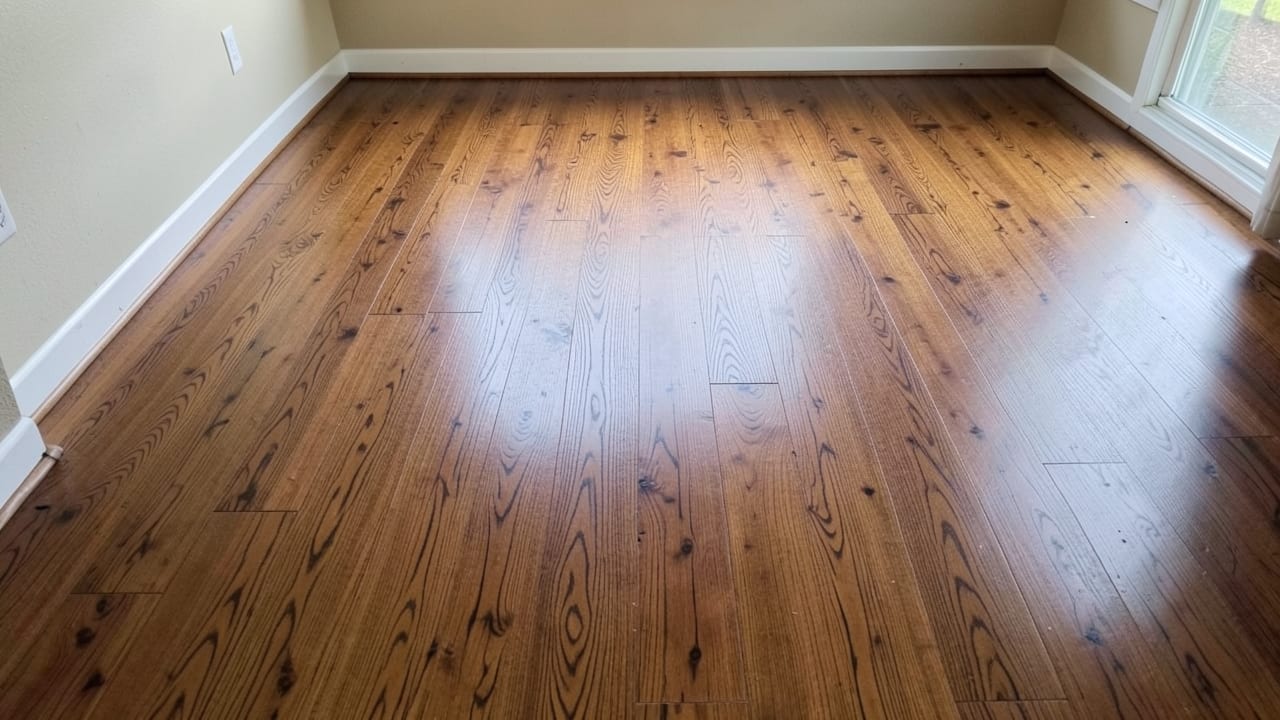
Flood Damage Mold Remediation in Yarmouth, MA
Professional mold removal and remediation after flood damage in homes.
Learn More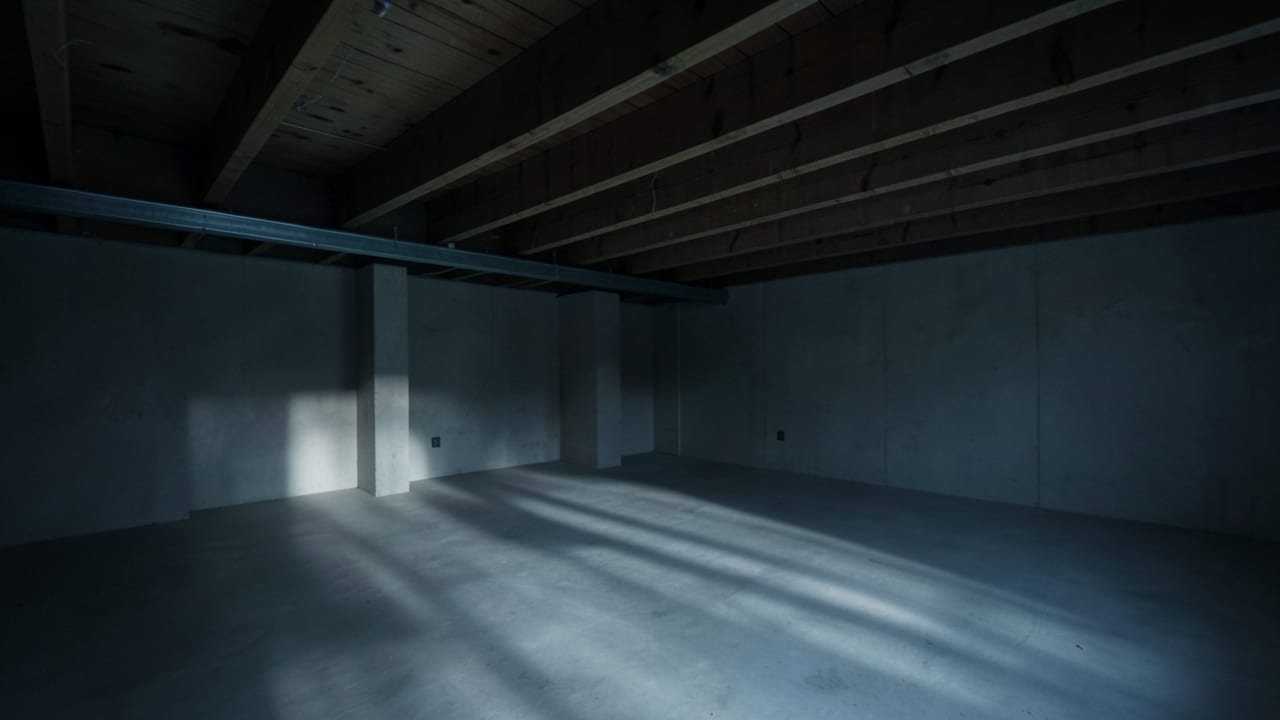
Sewer Backup Mold Cleanup in Yarmouth, MA
Professional cleanup of mold caused by sewer backups in homes.
Learn More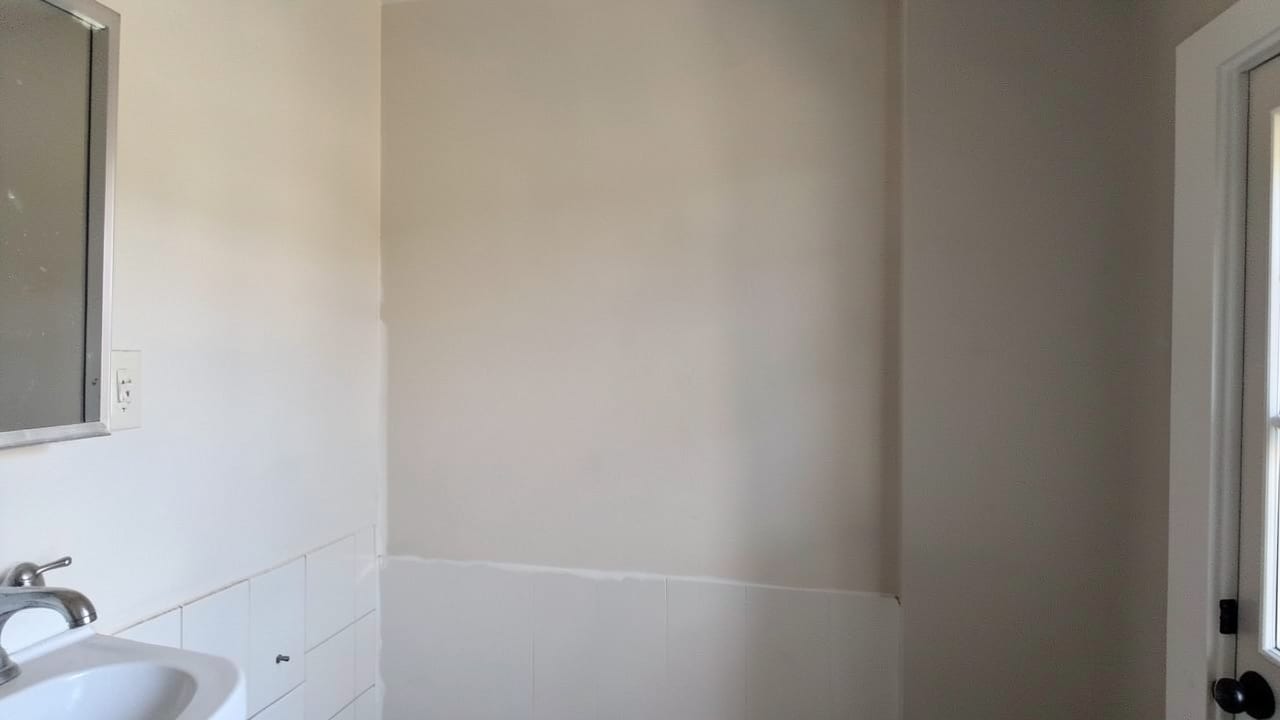
Pipe Leak Mold Removal in Yarmouth, MA
Professional removal of mold caused by pipe leaks in homes.
Learn MoreCommon Questions About Mold Remediation in Yarmouth
Everything you need to know about mold remediation services in Yarmouth
How much does Pre-Sale Mold Clearance typically cost in Yarmouth, MA?
Why does Yarmouth, MA's humidity make mold a bigger risk than in drier regions?
Can mold growing inside HVAC ductwork spread to the rest of a home?
Does mold mean the same thing as mildew?
Does homeowners insurance typically cover mold remediation?
Is black mold actually more dangerous than other mold types?
Need Mold Remediation in Yarmouth?
Connect with local providers in Yarmouth for a detailed quote.
⏰ We answer your call • Serving all of Yarmouth and surrounding areas