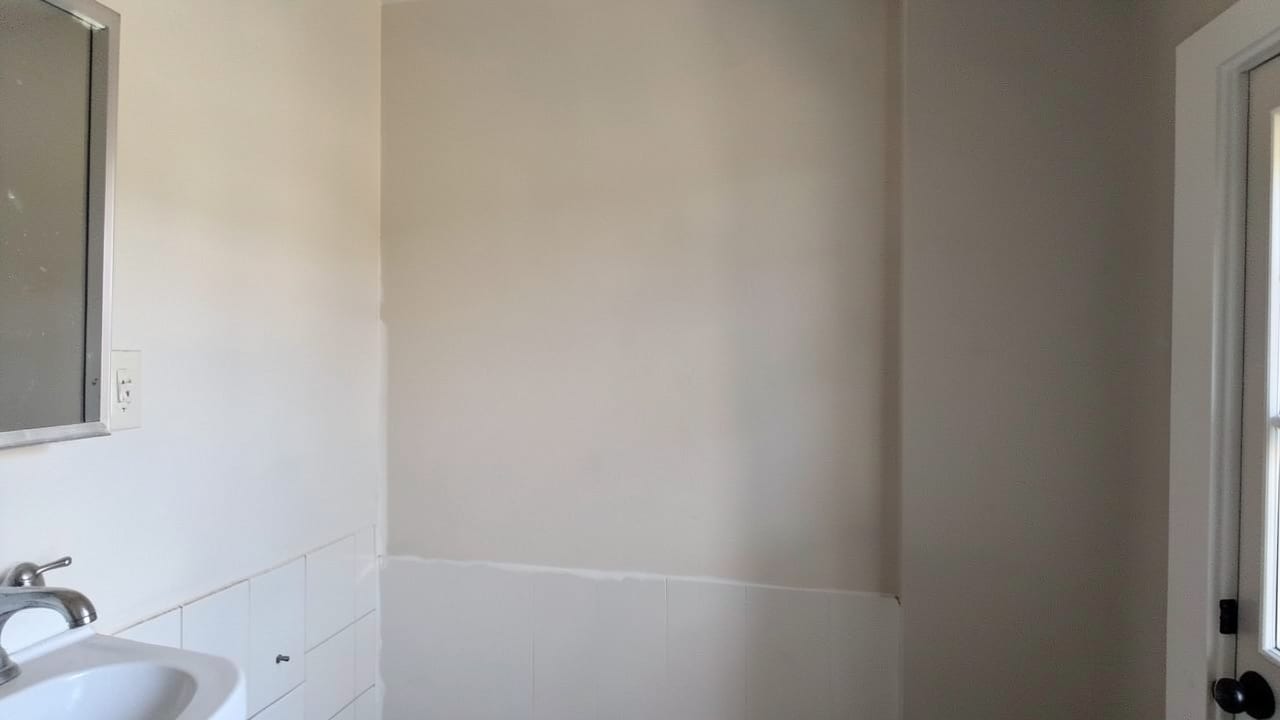
Pipe Leak Mold Removal
Professional removal of mold caused by pipe leaks in homes.
Pipe leak mold removal in Yarmouth, MA addresses fungal growth caused by hidden water damage behind walls, under floors, or in ceilings. The process involves locating and repairing the moisture source, containing the affected area, safely removing contaminated materials, and ensuring proper drying and testing to prevent recurrence.
When to call for pipe leak mold removal
Pipe leaks often lead to mold growth in hard-to-reach areas, and some signs indicate the need for professional intervention. Visible mold covering more than a small patch, recurring growth after cleaning, or a persistent musty smell—especially when HVAC runs—suggest hidden contamination.
We also handle Ceiling Mold Removal and Window Sill Mold Cleanup for Yarmouth properties.
These issues typically require containment, removal, and moisture source repair to prevent spread.
Rooms with poor airflow, like windowless bathrooms or basements, are prone to dampness and mold. If you notice discoloration, warping, or a damp smell in these areas, it may be time to inspect for leaks and assess mold damage.
Ignoring these signs can lead to structural issues and health concerns over time.
Signs You Need Pipe Leak Mold Removal
- Mold covering more than 25 contiguous square feet (a common threshold for professional work).
- Growth that keeps returning in the same spot after cleaning attempts.
- A musty smell with no visible mold, especially when HVAC is running.
- Visible water damage, warping, or bulging in walls, ceilings, or floors.
- Condensation or dampness in areas with poor airflow, like basements or closets.
What affects cost and scope
The cost of pipe leak mold removal varies based on the size of the affected area, the severity of contamination, and whether black mold is present. Containment, removal, drying, and clearance testing are all critical steps that influence pricing.
Hidden moisture sources, like leaks behind walls, may require additional repairs, further impacting the total cost.
Pricing also depends on whether the work is part of a larger renovation or a standalone job. Massachusetts requires contractors performing mold remediation over $1,000 to be registered as a Home Improvement Contractor (HIC), which may affect availability and cost in your area.
Why containment and testing matter
Containment is critical during pipe leak mold removal to prevent spores from spreading to unaffected areas. Plastic sheeting and negative-air machines seal the work zone, while HEPA air scrubbers and vacuums ensure spores stay contained. Skipping these steps can turn a small job into a larger, more expensive problem.
Clearance testing by an independent third party confirms that spore levels return to normal after remediation. Without testing, there’s no way to verify whether the mold has been fully addressed. This step is often overlooked but essential for long-term results.
A torn plastic barrier, an open door, or improper negative air pressure can let spores escape during removal. Always ensure the work area is fully sealed to prevent cross-contamination.
How pipe leak mold removal works
This process ensures hidden mold is safely removed and moisture sources are addressed.
- 1Locate and Repair the Moisture Source
The first step is identifying and fixing the pipe leak or water intrusion causing dampness. Without addressing the source, mold will regrow even after removal.
- 2Contain the Affected Area
Plastic sheeting and negative-air machines seal off the work zone to prevent spores from spreading during removal. This step is critical for keeping contamination localized.
- 3Remove or Treat Contaminated Materials
Porous materials like drywall and insulation are cut out and bagged, while non-porous surfaces like tile are scrubbed and treated. HEPA vacuums ensure spores are captured, not recirculated.
- 4Dry and Test the Area
Industrial dehumidifiers and air movers reduce moisture levels in framing and subfloors. After drying, an independent clearance test confirms spore counts are back to normal before containment is removed.
Frequently asked questions
How do I know if my mold problem is from a pipe leak?
Look for signs like water stains, warping, or bulging in walls, ceilings, or floors—especially near pipes. A musty smell or visible mold in these areas often indicates a hidden leak.
Can I clean mold from a pipe leak myself?
Small, isolated patches can sometimes be cleaned, but if the mold covers more than 25 square feet, keeps returning, or is hidden behind surfaces, professional removal is recommended.
What happens if I skip containment during removal?
Without containment, spores can spread to unaffected areas, turning a small job into a larger contamination issue. Proper sealing is essential to prevent cross-contamination.
How long does the drying process take after mold removal?
Drying time varies based on the size of the affected area and humidity levels, but it typically takes several days to bring moisture readings back to normal.
See Chatham, MA for more, or see our full crew's Yarmouth services before booking for our complete lineup.
Ready to get started?
Talk to a local mold remediation pro in Yarmouth — get a written quote.
Other Mold Remediation Services in Yarmouth
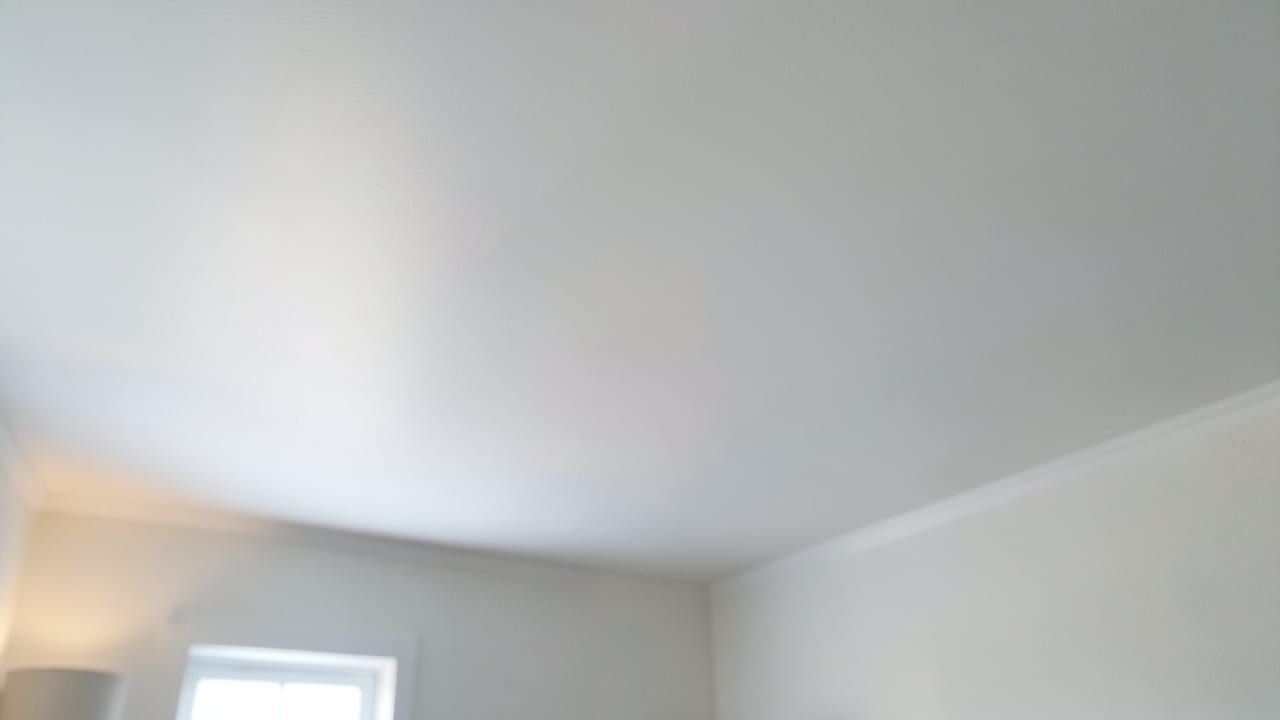
Ceiling Mold Removal in Yarmouth, MA
Professional removal of mold growth from ceilings, including containment and cleanup.
Learn More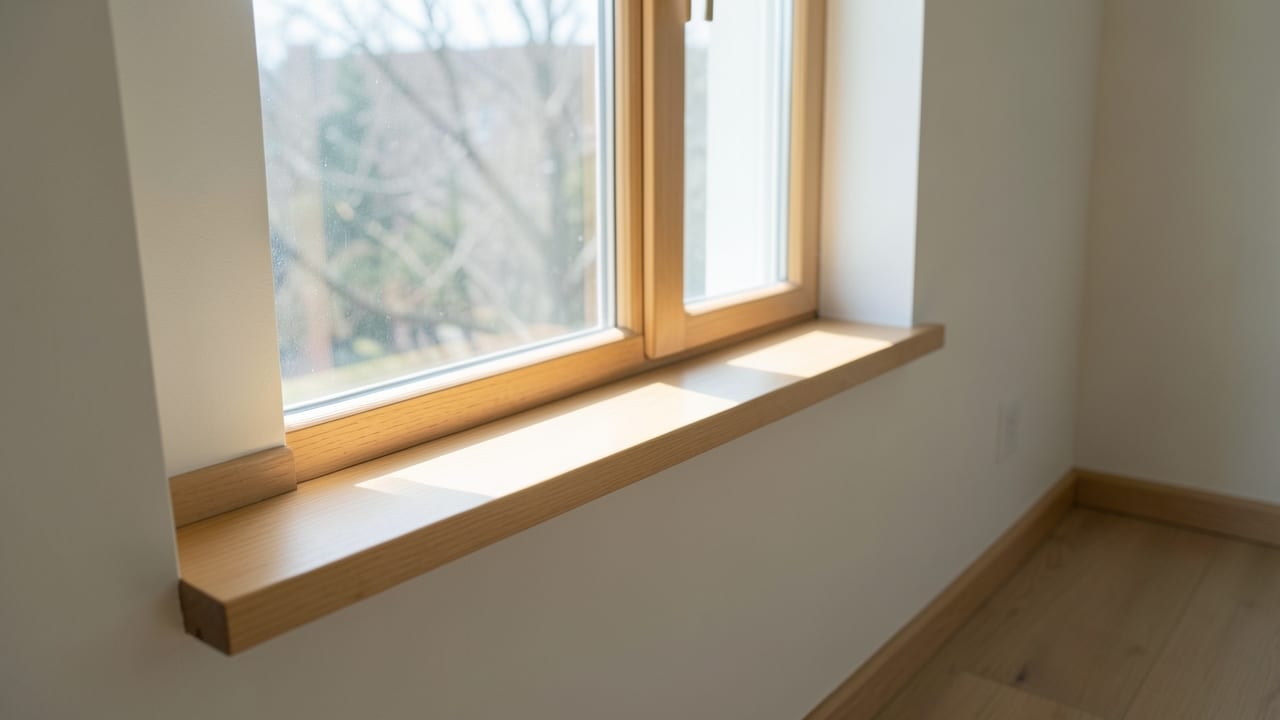
Window Sill Mold Cleanup in Yarmouth, MA
Professional cleanup of mold growth on window sills to restore a healthy indoor environment.
Learn More
Flood Damage Mold Remediation in Yarmouth, MA
Professional mold removal and remediation after flood damage in homes.
Learn More
Sewer Backup Mold Cleanup in Yarmouth, MA
Professional cleanup of mold caused by sewer backups in homes.
Learn More
Roof Leak Mold Remediation in Yarmouth, MA
Professional removal of mold caused by roof leaks to restore a safe, healthy home environment.
Learn More
Apartment Mold Remediation in Yarmouth, MA
Professional mold removal and remediation for apartments to restore safe living conditions.
Learn MoreCommon Questions About Mold Remediation in Yarmouth
Everything you need to know about mold remediation services in Yarmouth
How much does Pipe Leak Mold Removal typically cost in Yarmouth, MA?
Why does Yarmouth, MA's humidity make mold a bigger risk than in drier regions?
Is it safe to stay in the home during mold remediation?
Can small mold problems be handled without hiring anyone?
What's the actual difference between mold removal and mold remediation?
Is a final clearance test part of a typical mold remediation job?
Need Mold Remediation in Yarmouth?
Connect with local providers in Yarmouth for a detailed quote.
⏰ We answer your call • Serving all of Yarmouth and surrounding areas