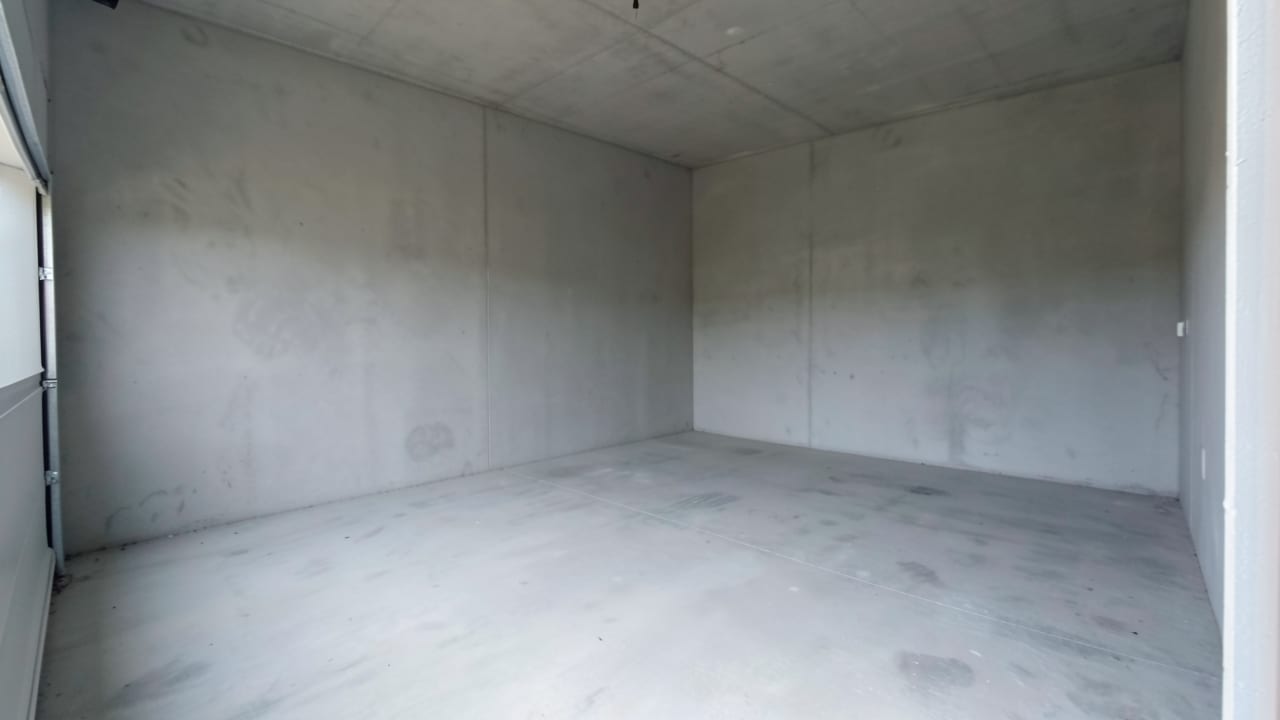
Garage Mold Removal
Professional assessment and removal of mold growth in garages to restore a safe, clean space.
Garage mold removal in Yarmouth, MA addresses hidden growth in damp, enclosed spaces where moisture lingers. Unlike surface cleaning, professional remediation targets deep-rooted colonies, seals affected areas to prevent spore spread, and fixes moisture sources to reduce recurrence.
This service is essential when mold covers more than small patches or returns after cleaning, ensuring a safer, healthier garage environment.
We also handle Crawl Space & Basement Mold Remediation and Attic Mold Remediation for Yarmouth properties.
When to call for garage mold removal
Mold in garages often hides behind walls, under floors, or inside ductwork, where it thrives on persistent dampness. Visible signs like musty odors, recurring growth after cleaning, or mold covering more than a few square feet signal the need for professional intervention.
In Yarmouth’s humid climate, garages—especially those with poor ventilation or water leaks—are prime breeding grounds for mold that spreads quickly if left unchecked.
DIY cleaning may temporarily reduce surface mold, but it rarely eliminates the root cause. When mold keeps returning in the same spot, it usually means the moisture source (like a leak, condensation, or poor drainage) hasn’t been addressed.
Professional remediation goes beyond surface cleaning to contain spores, remove contaminated materials, and dry structural components to prevent regrowth.
Signs Your Garage Needs Mold Removal
- Mold covering more than 25 contiguous square feet (a common threshold for professional work).
- Musty odors with no visible mold—often a sign of hidden growth in walls, flooring, or ductwork.
- Recurring mold in the same spot after cleaning, indicating an unresolved moisture issue.
- Visible black mold (Stachybotrys), which requires specialized handling due to its toxicity.
- Water stains, warped wood, or peeling paint near moldy areas, signaling chronic dampness.
What affects cost and scope
The cost of garage mold removal in Yarmouth varies based on the size of the affected area, the type of mold, and whether hidden growth requires structural work. Surface-level mold on drywall or tile typically costs less than deep remediation involving framing, insulation, or ductwork.
Black mold cases often require additional safety precautions, increasing the total estimate.
Pricing also depends on whether containment, HEPA filtration, and clearance testing are included. Some quotes exclude these critical steps, which can lead to incomplete remediation. Always ask for a detailed scope of work upfront to compare bids accurately.
What to expect after remediation
After mold removal, the garage should be structurally dry and free of visible contamination, but regrowth depends on fixing the moisture source. Industrial dehumidifiers and air movers dry framing and subfloors to prevent dampness, while HEPA filtration ensures spores don’t linger in the air.
Clearance testing confirms spore levels are back to normal before containment is removed.
To keep mold from returning, address grading issues, repair leaks, and improve airflow with fans or dehumidifiers in persistently damp areas. Checking humidity levels in the garage periodically during the first year helps catch early signs of recurrence before they spread.
Stagnant air in garages—common in windowless or poorly ventilated spaces—often lets mold return. A small fan or dehumidifier running intermittently after remediation helps maintain dry conditions. Outside, ensure downspouts direct water away from the foundation, and check for soil grading that slopes toward the garage.
How garage mold removal works
Professional remediation follows a structured process to eliminate mold and prevent recurrence.
- 1Containment
Plastic sheeting and negative-air machines seal the work area to trap spores during removal, preventing them from spreading to unaffected parts of the garage or home.
- 2Removal of Contaminated Materials
Porous materials like drywall, insulation, and carpet padding—absorbed with mold—are cut out and bagged inside containment. Non-porous surfaces (framing, tile) are scrubbed and treated instead of discarded.
- 3HEPA Filtration and Structural Drying
HEPA air scrubbers run continuously to capture airborne spores, while industrial dehumidifiers and air movers dry framing and subfloors to normal moisture levels before the space is closed up.
- 4Clearance Testing
An independent lab tests air or surface samples post-remediation to confirm spore counts are back to normal before containment is removed and the area is considered finished.
- 5Moisture Source Repair
Fixing leaks, improving ventilation, or adjusting grading prevents the same conditions that caused mold from recurring. This step is critical to long-term results.
Frequently asked questions
How do I know if my garage mold is past DIY cleanup?
If mold covers more than 25 square feet, keeps returning after cleaning, or you notice a musty smell with no visible growth, professional remediation is recommended. Hidden mold—especially in walls or ductwork—often requires containment and specialized equipment to fully resolve.
Will the remediation process make other parts of my home moldy?
Proper containment with plastic sheeting and negative-air machines prevents spores from spreading to unaffected areas. A breach in containment (like an open door or torn plastic) is the main risk, which is why licensed crews follow strict protocols.
How long does it take to remediate a garage?
The timeline depends on the size of the affected area and whether hidden growth requires structural work. Surface-level mold in a small garage may take 1–2 days, while deep remediation involving framing or ductwork can take 3–5 days or longer.
Do I need to leave the house during the process?
You can remain on-site during containment, but the work area will be sealed off. Some homeowners prefer to leave temporarily for comfort, especially if the garage is used frequently. Clearance testing confirms the space is safe before you resume normal use.
See Barnstable (Hyannis), MA for more, or explore the rest of our Yarmouth lineup before booking for our complete lineup.
Ready to get started?
Talk to a local mold remediation pro in Yarmouth — get a written quote.
Other Mold Remediation Services in Yarmouth
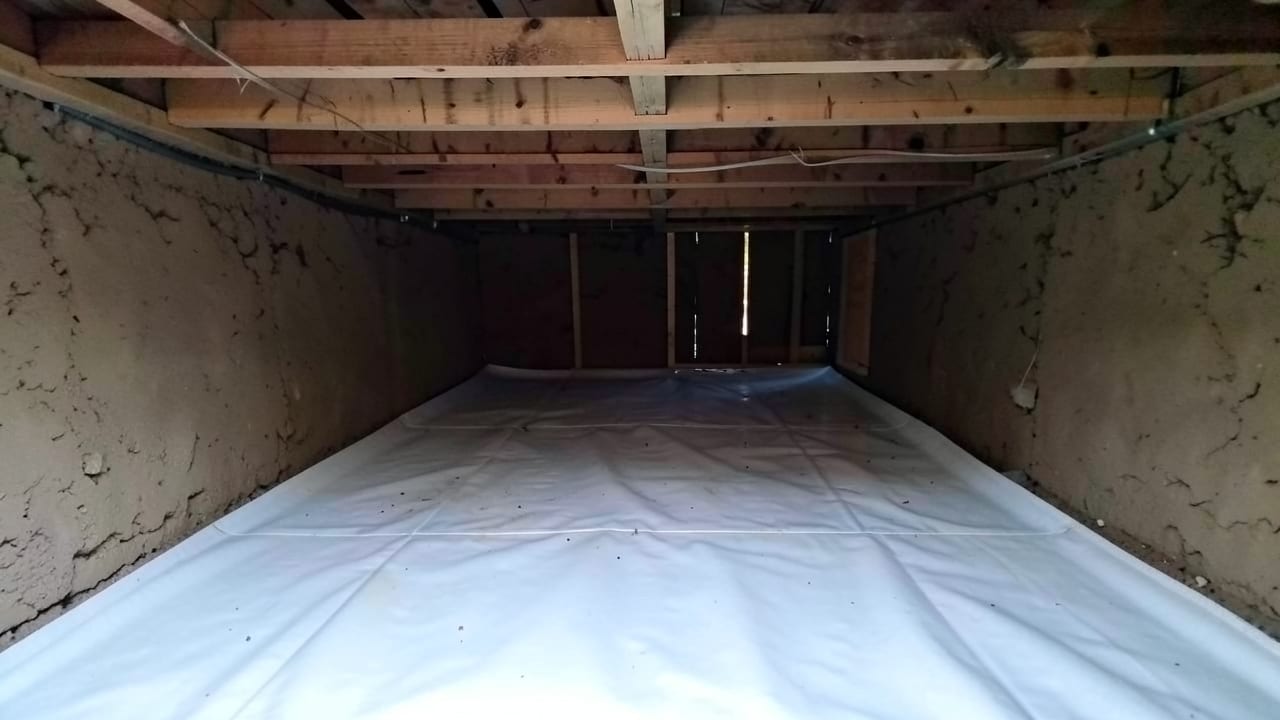
Crawl Space & Basement Mold Remediation in Yarmouth, MA
Crawl space and basement mold remediation in Yarmouth, MA addresses the two areas of a property most prone to trapped, unnoticed moisture.
Learn More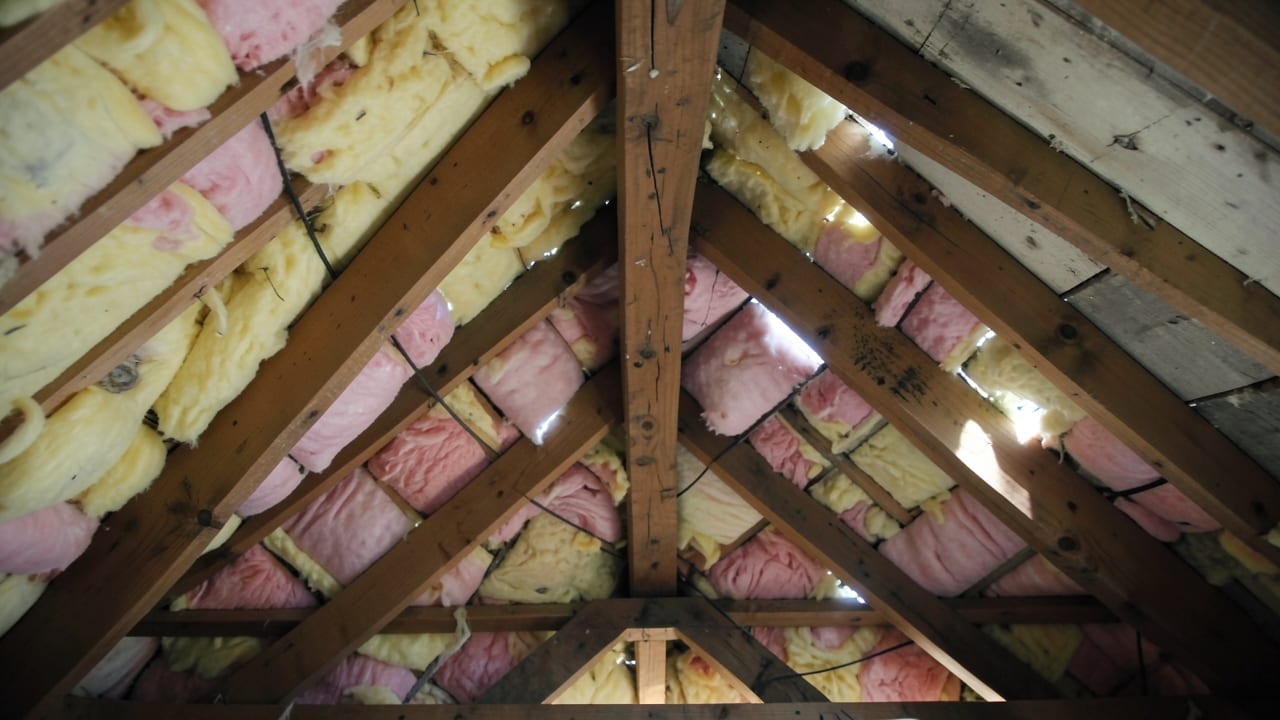
Attic Mold Remediation in Yarmouth, MA
Attic mold remediation in Yarmouth, MA addresses roof-deck growth typically caused by poor ventilation or a hidden roof leak.
Learn More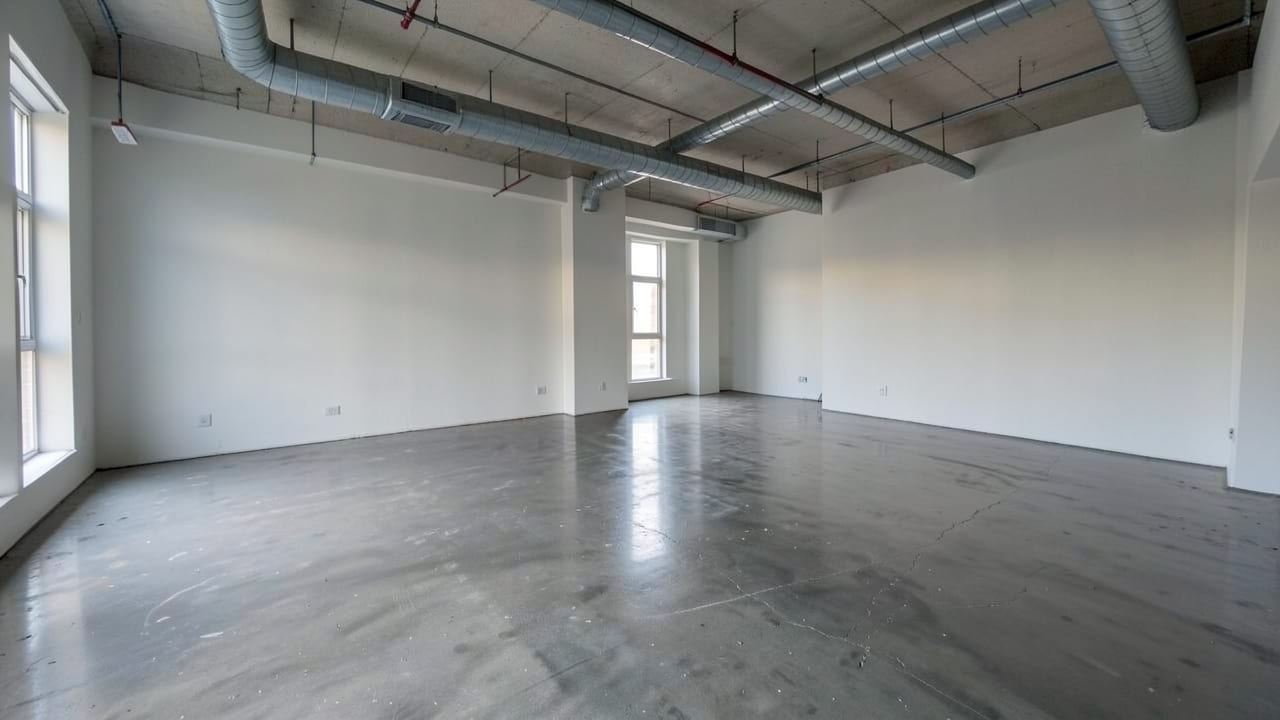
Commercial Mold Remediation in Yarmouth, MA
Commercial mold inspection and remediation in Yarmouth, MA for offices, retail space, and multi-unit properties, scheduled around business operations.
Learn More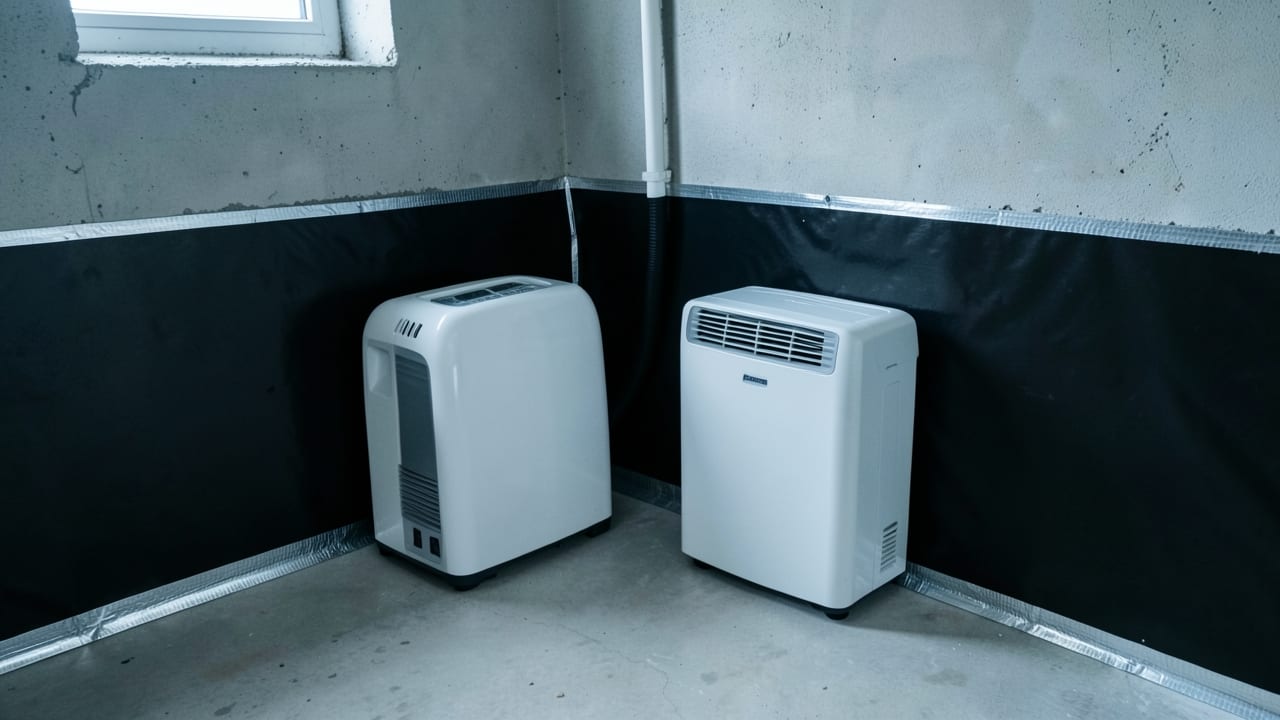
Mold Prevention & Moisture Control in Yarmouth, MA
Mold prevention and moisture control in Yarmouth, MA — addressing ventilation, humidity, and drainage before growth starts, not after.
Learn More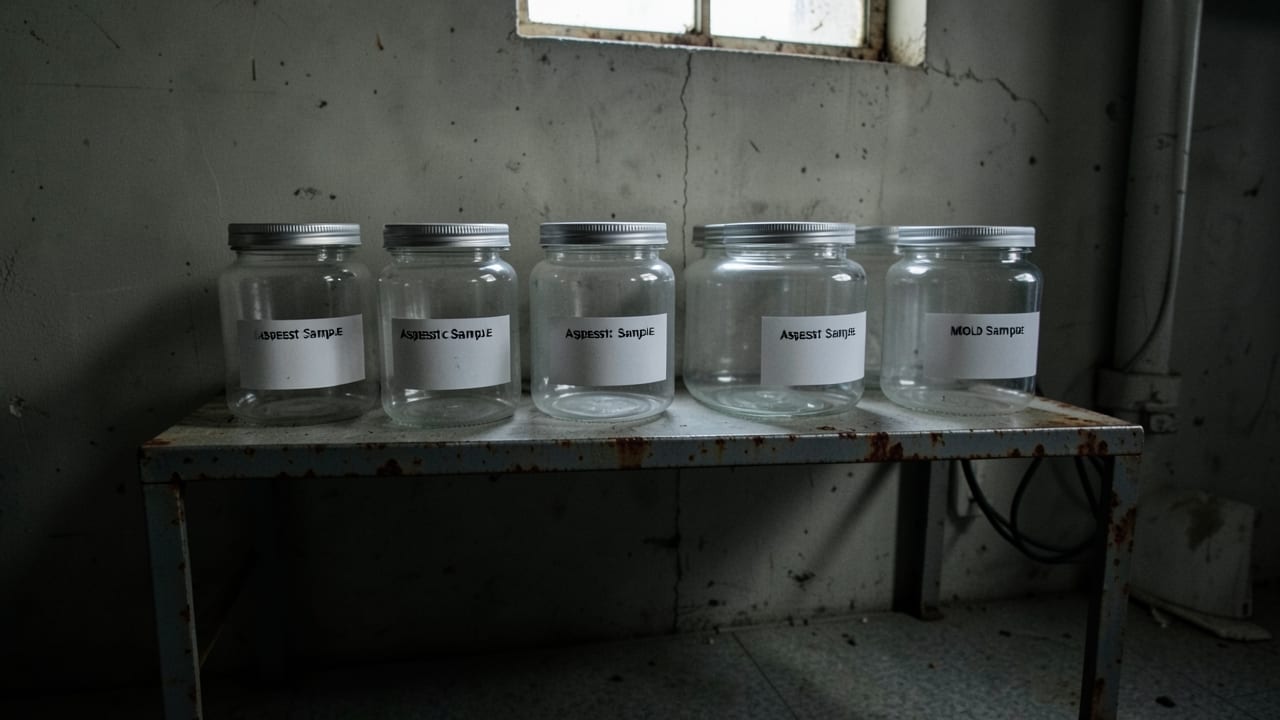
Mold & Asbestos Testing in Yarmouth, MA
Combined mold and asbestos testing in Yarmouth, MA — one inspection visit, lab-verified results for both.
Learn More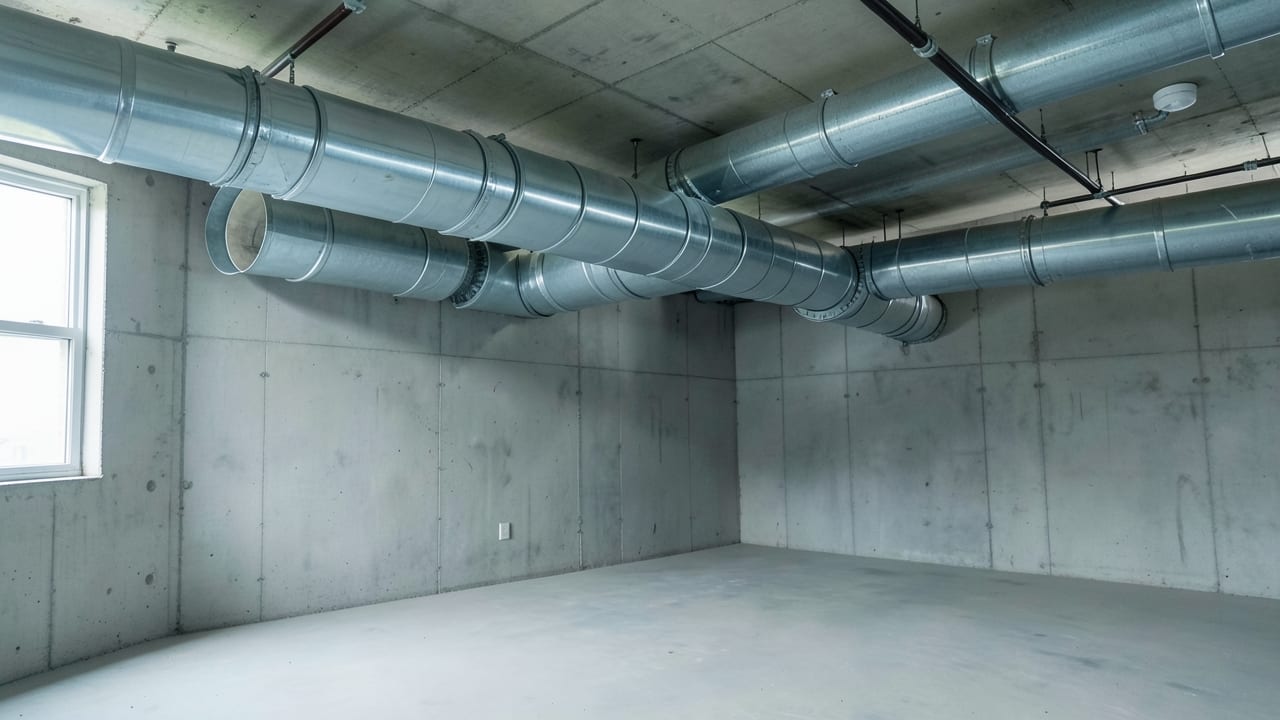
HVAC Mold Remediation in Yarmouth, MA
HVAC and ductwork mold remediation in Yarmouth, MA — mold growing inside the air handler or duct system, spreading through every vent.
Learn MoreCommon Questions About Mold Remediation in Yarmouth
Everything you need to know about mold remediation services in Yarmouth
How much does Garage Mold Removal typically cost in Yarmouth, MA?
Why does Yarmouth, MA's humidity make mold a bigger risk than in drier regions?
Does homeowners insurance typically cover mold remediation?
Is black mold actually more dangerous than other mold types?
How long does a typical mold remediation job take?
Is it safe to stay in the home during mold remediation?
Need Mold Remediation in Yarmouth?
Connect with local providers in Yarmouth for a detailed quote.
⏰ We answer your call • Serving all of Yarmouth and surrounding areas