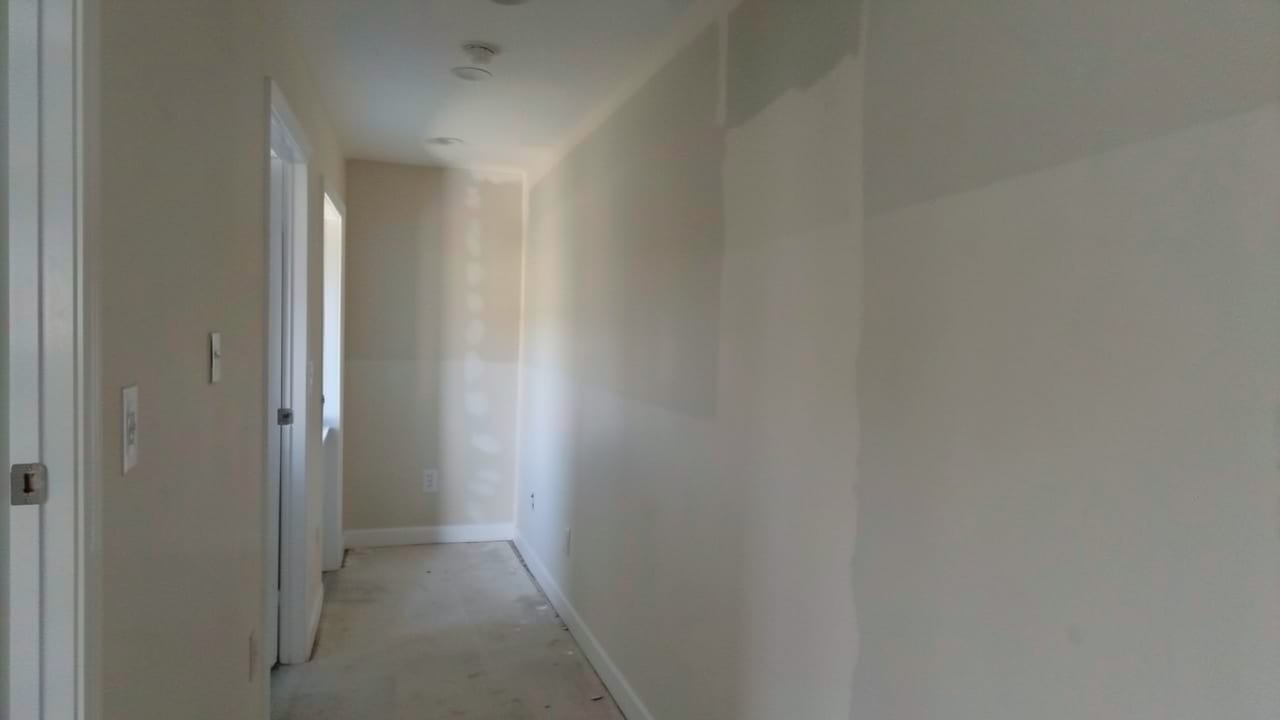
Drywall Mold Remediation
Professional removal and treatment of mold growth behind or on drywall surfaces.
Drywall mold remediation in Yarmouth, MA, involves safely removing contaminated drywall and restoring affected areas to prevent spore spread. This process includes containment, removal of porous materials, HEPA filtration, structural drying, and clearance testing to ensure the issue is addressed thoroughly.
Proper remediation helps prevent regrowth and protects your home’s air quality.
We also handle Carpet Mold Treatment and Concrete Mold Remediation for Yarmouth properties.
When is professional remediation needed?
Mold growth on drywall often starts small but can quickly become a larger issue if left unaddressed. Property owners in Yarmouth should consider professional remediation when mold covers more than a small, isolated patch—typically over 25 square feet—or if it keeps returning after cleaning.
Persistent musty odors, even without visible mold, can also signal hidden growth behind walls or under flooring.
A musty smell that worsens when the HVAC system runs may indicate mold in ductwork, spreading spores throughout the home. If you’ve already tried cleaning but the mold keeps coming back, the moisture source likely hasn’t been fixed, making professional intervention necessary to prevent further damage.
Signs You Need Drywall Mold Remediation
- Mold covers more than 25 square feet of drywall (a common threshold for professional work).
- The mold reappears within weeks or months after cleaning or treating.
- You notice a musty smell with no visible mold, especially when HVAC runs.
- The affected area feels damp or has visible water damage beyond the mold itself.
What affects pricing and scope?
The cost of drywall mold remediation in Yarmouth depends on the size of the affected area, the type of mold (e.g., black mold may require additional precautions), and whether hidden moisture sources need addressing.
Containment, HEPA filtration, and clearance testing are often priced separately, so a low initial estimate may not cover the full scope of work.
Remediation typically ranges between $600 and $2,400 per affected room for surface-level mold, with black mold adding 15–25% to the cost. These figures vary based on square footage and the extent of contamination, so comparing multiple quotes is recommended before committing to a provider.
What to watch for in a remediation provider
Not all remediation services follow the same standards, and cutting corners—like skipping containment or clearance testing—can lead to incomplete results. A reputable provider will outline the scope of work in writing, specify whether third-party testing is included, and address both the mold and its moisture source.
Avoid providers who rush inspections, demand full payment upfront, or exclude containment and testing from their quotes. These red flags can indicate a lack of thoroughness or hidden costs later.
Red Flags in a Mold Remediation Quote
- No written, itemized scope of work provided before starting.
- Pressure to sign the contract during the same visit as the inspection.
- Full payment requested before any work begins.
- No mention of post-remediation clearance testing.
How drywall mold remediation works
This process ensures mold is removed safely and thoroughly while preventing spores from spreading.
- 1Containment Setup
The affected area is sealed off with plastic sheeting and negative-air machines to trap spores during removal, preventing them from drifting into other parts of the home.
- 2Material Removal
Porous materials like drywall and insulation, which absorb mold, are cut out and bagged inside containment. Non-porous surfaces like framing are scrubbed and treated instead of discarded.
- 3HEPA Filtration and Cleanup
HEPA-filtered air scrubbers and vacuums run continuously to capture spores, while surfaces are cleaned with equipment designed to trap mold particles rather than recirculate them.
- 4Structural Drying
Industrial dehumidifiers and air movers dry framing and subfloors to normal moisture levels, as mold regrows on damp materials even after visible traces are removed.
- 5Clearance Testing
An independent lab tests air or surfaces post-remediation to confirm spore counts are within normal ranges before containment is removed and the area is considered finished.
Frequently asked questions
Can I clean small mold patches myself, or should I call a professional?
Small, isolated patches (under 25 square feet) can often be cleaned with the right precautions, but if the mold keeps returning or covers a larger area, professional remediation is recommended to prevent hidden growth and ensure proper containment.
Why does the musty smell linger even after the mold is gone?
Musty odors often indicate hidden mold or trapped moisture in walls, ductwork, or under flooring. Remediation may need to include opening walls or addressing ventilation issues to fully eliminate the smell.
Will fixing the mold also fix the moisture problem causing it?
Remediation removes existing mold, but fixing the moisture source—like leaks, condensation, or poor grading—is critical to prevent regrowth. A professional will assess both during the process.
How do I know if the remediation was successful?
Independent clearance testing after remediation confirms whether spore levels are back to normal. Without this step, there’s no way to verify the work was fully effective.
See Popponesset, MA for more, or explore how our Yarmouth crew can help by category for our complete lineup.
Ready to get started?
Talk to a local mold remediation pro in Yarmouth — get a written quote.
Other Mold Remediation Services in Yarmouth
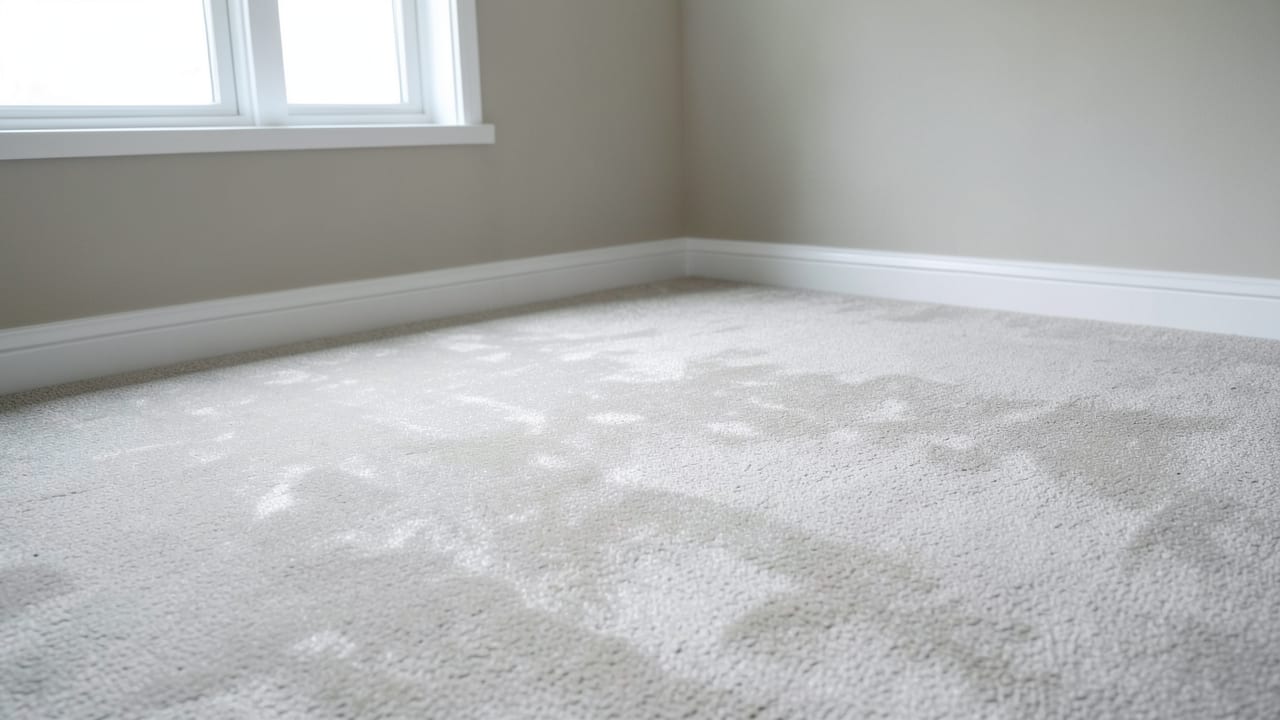
Carpet Mold Treatment in Yarmouth, MA
Professional assessment and removal of mold growth from carpets to restore a safe indoor environment.
Learn More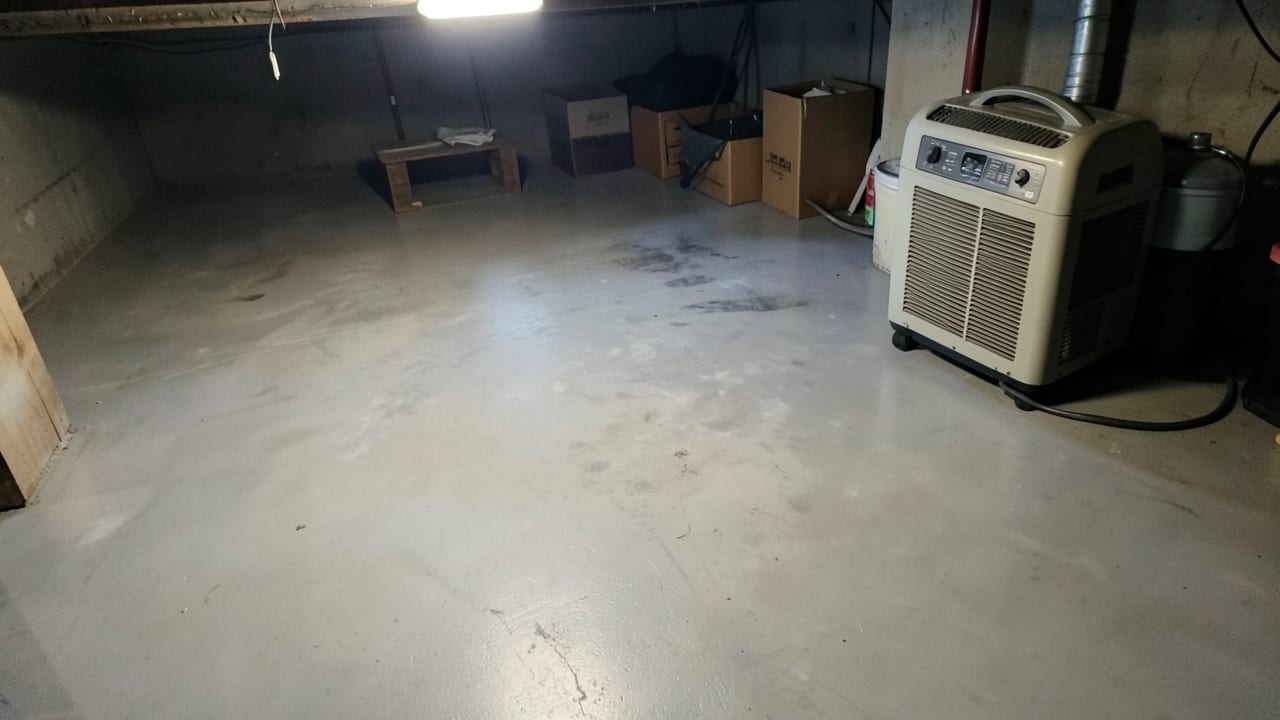
Concrete Mold Remediation in Yarmouth, MA
Professional removal and treatment of mold from concrete surfaces in homes.
Learn More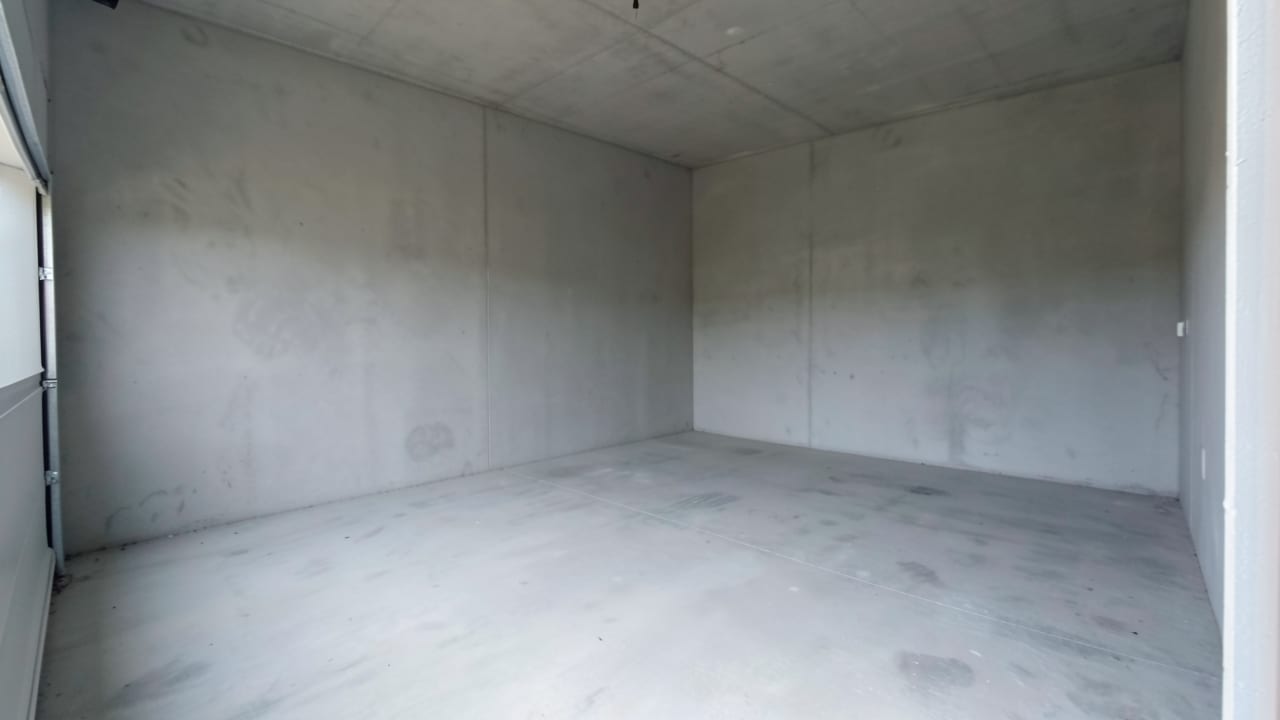
Garage Mold Removal in Yarmouth, MA
Professional assessment and removal of mold growth in garages to restore a safe, clean space.
Learn More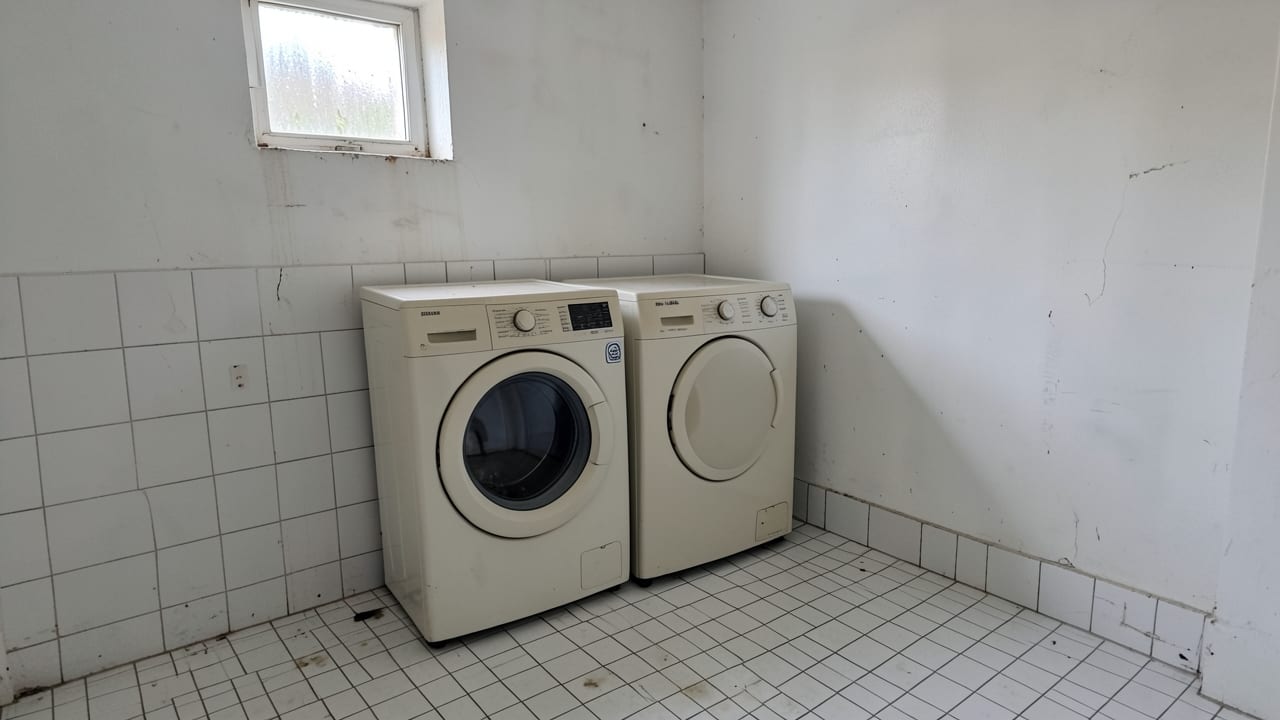
Laundry Room Mold Cleanup in Yarmouth, MA
Professional mold removal and remediation in laundry rooms to restore a safe, clean space.
Learn More
Plaster Mold Remediation in Yarmouth, MA
Professional removal and treatment of mold from plaster surfaces in homes.
Learn More
Ceiling Mold Removal in Yarmouth, MA
Professional removal of mold growth from ceilings, including containment and cleanup.
Learn MoreCommon Questions About Mold Remediation in Yarmouth
Everything you need to know about mold remediation services in Yarmouth
How much does Drywall Mold Remediation typically cost in Yarmouth, MA?
Why does Yarmouth, MA's humidity make mold a bigger risk than in drier regions?
Does mold mean the same thing as mildew?
Does homeowners insurance typically cover mold remediation?
Is black mold actually more dangerous than other mold types?
How long does a typical mold remediation job take?
Need Mold Remediation in Yarmouth?
Connect with local providers in Yarmouth for a detailed quote.
⏰ We answer your call • Serving all of Yarmouth and surrounding areas