Mold Remediation Costs for Multi-Family Properties in Yarmouth
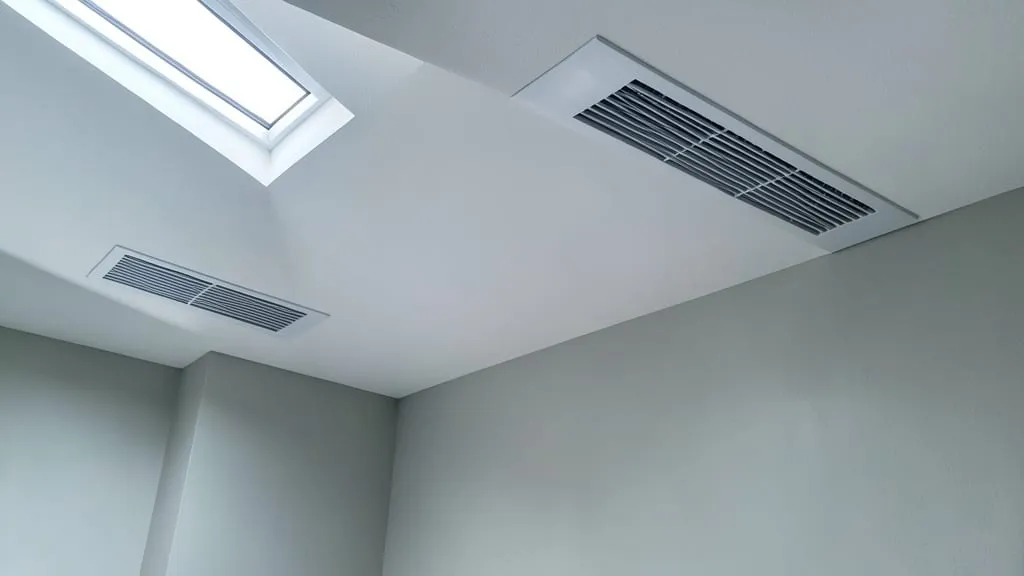
Mold in multi-family properties demands a different approach than single-family homes. Shared walls, HVAC systems, and high tenant turnover in Yarmouth’s coastal climate can accelerate growth, making remediation both complex and costly. Understanding the variables helps property owners budget accurately and address issues before they spread.
Why Multi-Family Mold Remediation Differs
Multi-family buildings often have interconnected ventilation, plumbing, and structural elements that allow mold to migrate between units. A leak in one apartment can feed spores into adjacent spaces, requiring broader containment.
Higher occupancy also means more moisture from cooking, showering, and breathing. In Yarmouth’s humid summers, this can create persistent dampness in walls, ceilings, and HVAC ducts without proper ventilation.
Common areas like basements, laundry rooms, and attics are frequent hotspots. These spaces often lack climate control, and mold can thrive undetected until inspections or tenant complaints reveal the problem.
Key Factors That Drive Cost in Yarmouth
The extent of contamination is the primary cost driver. Surface mold on drywall is cheaper to treat than deeply embedded growth in structural wood or insulation, which may require removal and replacement.
Accessibility plays a major role. Crawl spaces, attics, and behind walls demand more labor, specialized equipment, and safety measures, increasing the price. Older properties in Dennis or Barnstable Town often have tighter, less accessible layouts.
Material costs vary by what’s affected. Porous materials like drywall and carpet usually need replacement, while non-porous surfaces (tile, metal) can often be cleaned. High-end finishes or custom millwork raise expenses further.
| Severity | Typical Location | Relative Cost Impact |
|---|---|---|
| Minor (surface-level) | Bathroom tile, window sills | Low |
| Moderate (penetrated porous materials) | Drywall, ceiling tiles, carpet | Moderate to High |
| Severe (structural or widespread) | Attics, crawl spaces, HVAC systems, framing | High to Very High |
| Hidden or inaccessible | Inside walls, under flooring, ductwork | Very High |
Shared Systems and Cross-Contamination Risks
HVAC systems in multi-family properties can distribute mold spores throughout a building. If the ductwork is contaminated, remediation often requires professional HVAC mold remediation to clean or replace components.
Plumbing stacks and shared walls mean leaks in one unit can affect neighbors. Water damage restoration may be needed alongside mold remediation, especially in older buildings with aging pipes in areas like South Yarmouth or Harwich.
Containment is critical to prevent cross-contamination. Crews typically use negative air pressure and HEPA filtration to isolate work areas, which adds to the labor and equipment costs.
Attempting to clean mold in HVAC systems or shared walls without proper containment can spread spores to unaffected units. Professional assessment is strongly advised.
Local Climate and Seasonal Considerations
Yarmouth’s coastal environment brings high humidity, especially in summer. Properties near Nantucket Sound or in low-lying areas like West Yarmouth are more prone to moisture intrusion from flooding or poor drainage.
Winter brings its own challenges. Poorly insulated attics or basements can develop condensation, leading to mold growth on plywood or insulation. Ice dams in areas like Brewster or Chatham can also cause water intrusion.
Seasonal rentals common in Dennis Port or South Dennis often sit vacant for months, allowing humidity to build unchecked. Regular inspections and moisture control are key for prevention.
Pricing Breakdown: Labor, Materials, and Testing
Labor typically accounts for 50-70% of the total cost. Skilled crews use personal protective equipment (PPE), containment barriers, and air scrubbers, all of which add to the expense. Complex jobs may require multiple days of work.
Materials include replacement drywall, insulation, or flooring, as well as antimicrobial treatments and sealants. The cost depends on the square footage affected and the quality of materials chosen.
Testing is often recommended before and after remediation. Mold testing and air quality testing verify the type and concentration of spores, ensuring the work is complete. These tests add to the overall cost but provide documentation for tenants and future sales.
Preventive Measures to Reduce Long-Term Costs
Moisture control is the most effective prevention. Dehumidifiers in basements and crawl spaces, especially in areas like Harwich Port or East Dennis, can keep humidity below 50%, inhibiting mold growth.
Regular inspections of roofs, gutters, and downspouts help prevent water intrusion. In coastal Yarmouth, salt air can accelerate deterioration, so more frequent checks may be necessary.
Educating tenants on ventilation and reporting leaks promptly can catch issues early. Simple steps like using exhaust fans in bathrooms and kitchens reduce moisture buildup significantly.
Multi-Family Mold Prevention Checklist
- Install and maintain dehumidifiers in basements and crawl spaces
- Inspect roofs, gutters, and downspouts bi-annually
- Ensure proper ventilation in bathrooms, kitchens, and laundry rooms
- Seal gaps around windows, doors, and plumbing penetrations
- Educate tenants on moisture control and leak reporting
- Schedule annual mold inspections for common areas and HVAC systems
When to Consider Commercial Mold Remediation
Multi-family properties with 5+ units often fall under commercial remediation standards. These jobs require larger-scale containment, more extensive testing, and adherence to stricter regulations.
Commercial mold remediation may also be necessary if the property has shared HVAC systems or if the mold affects common areas like hallways, stairwells, or laundry facilities.
In Yarmouth, properties near commercial zones in South Dennis or Hyannis may have additional local or state requirements. Always verify compliance needs before starting work.
Massachusetts does not have a state-wide mold remediation license, but local building codes and health regulations may apply. Always confirm requirements with local authorities.
How to Budget for Mold Remediation in a Multi-Family Property
Accurate budgeting starts with a thorough assessment of the scope and factors involved.
- 1Conduct a Professional Inspection
Hire a certified mold inspector to assess the extent of contamination. They’ll identify affected areas, test air quality, and provide a detailed report to guide remediation.
- 2Determine the Scope of Work
Review the inspection report to classify the severity (surface, moderate, severe) and note any shared systems or hard-to-access areas.
- 3Request Multiple Quotes
Contact several remediation contractors in Yarmouth, Dennis, or Barnstable. Compare their proposed methods, timelines, and material specifications.
- 4Factor in Additional Costs
Include potential expenses for water damage restoration, HVAC cleaning, or tenant relocation if units must be vacated during work.
- 5Plan for Testing and Clearance
Budget for post-remediation air quality testing to confirm the mold has been successfully removed. Some contractors include this; others charge separately.
- 6Allocate for Prevention
Set aside funds for moisture control upgrades, such as dehumidifiers, improved ventilation, or waterproofing in basements and crawl spaces.
Frequently Asked Questions
Does homeowners insurance cover mold remediation in Yarmouth multi-family properties?
Coverage varies by policy. Most standard policies exclude mold unless it results from a covered peril, like a burst pipe. Landlord or commercial policies may offer better protection. Always review your policy and consult an insurance agent familiar with Cape Cod properties.
How long does mold remediation take for a multi-family building?
Timelines depend on the severity and scope. A single affected unit may take 1-3 days, while a building-wide issue with HVAC contamination could require a week or more. Containment setup and drying times add to the duration.
Can mold return after remediation?
Yes, if the underlying moisture problem isn’t addressed. Remediation removes existing mold, but without fixing leaks, poor ventilation, or high humidity, spores can regrow. Ongoing moisture control is essential, especially in Yarmouth’s damp climate.
Is mold testing required before remediation in Yarmouth?
Testing isn’t legally required in Massachusetts, but it’s highly recommended. Pre-remediation testing identifies the type and extent of mold, while post-remediation testing verifies the work’s success. This documentation can also protect property owners from liability.
What’s the difference between mold removal and mold remediation?
Mold removal refers to physically eliminating mold from surfaces, while remediation addresses the root cause (e.g., moisture) and includes containment, cleaning, and prevention. Remediation is the more comprehensive, long-term solution.
Are there specific mold risks in older multi-family homes in Yarmouth?
Older properties, common in areas like Barnstable Town or Dennis, often have outdated plumbing, poor insulation, and limited ventilation. These factors increase the risk of hidden moisture and mold growth in walls, attics, and basements. Asbestos may also be present, requiring additional testing and precautions.