The Hidden Costs of Delaying Mold Remediation in Yarmouth Offices
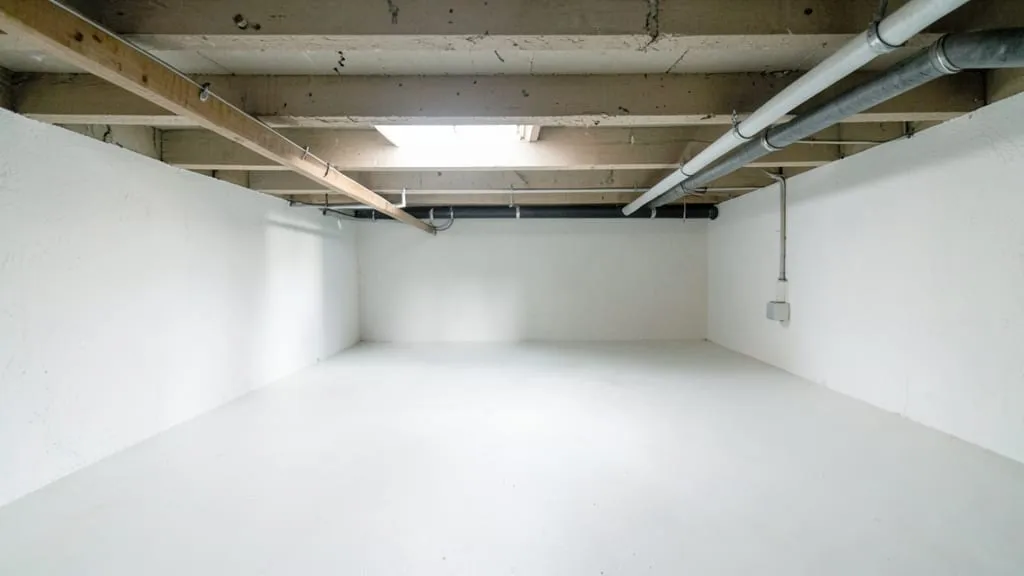
Mold in a Yarmouth office isn’t just an eyesore—it’s a silent expense multiplier. Every day of inaction lets spores colonize deeper into drywall, HVAC systems, and subflooring, turning a contained issue into a building-wide liability. The Cape’s humid summers and damp falls accelerate growth, making delays costlier than the remediation itself.
Structural Damage Escalates Quickly in Coastal Climates
Cape Cod’s moisture-rich air speeds up mold’s destructive cycle. In offices, spores first target porous materials like drywall and ceiling tiles, then move into structural wood and insulation.
Left unchecked, mold compromises load-bearing elements. In older Yarmouth buildings, this can mean costly reinforcements or even partial rebuilds to restore integrity.
HVAC systems in commercial spaces often spread spores between floors. Once mold takes hold in ductwork, remediation requires full system cleaning or replacement.
Health Risks and Productivity Losses
Exposure to mycotoxins from Stachybotrys or Aspergillus can trigger respiratory issues, headaches, and fatigue in office staff. Sensitive individuals may experience severe reactions.
Absenteeism rises as employees call out sick more frequently. Even mild symptoms reduce focus and efficiency, cutting into daily productivity.
Long-term exposure increases liability risks. Tenants or employees may pursue claims for health impacts linked to poor indoor air quality.
Property owners can face lawsuits if mold-related health issues are traced back to neglected maintenance. Documentation of delays strengthens plaintiff cases.
Financial Costs: Short-Term Savings vs. Long-Term Expenses
A small mold patch in a South Yarmouth office might seem minor, but spores spread rapidly in climate-controlled environments. Early remediation limits damage to a single area.
Delayed action often means replacing entire sections of drywall, insulation, and flooring. In multi-tenant buildings, costs multiply as mold migrates through shared walls and HVAC systems.
Insurance may deny claims if neglect is evident. Policies often require prompt reporting and mitigation to cover damages.
| Factor | Early Action (1-2 weeks) | Delayed Action (3+ months) |
|---|---|---|
| Scope of Work | Localized containment and surface cleaning | Full structural removal, HVAC cleanup, air purification |
| Material Replacement | Minimal (e.g., single wall section) | Extensive (e.g., entire room or floor) |
| Business Disruption | 1-2 days of partial closure | Weeks of full or partial shutdown |
| Health-Related Costs | Low (minor symptoms) | High (medical claims, absenteeism) |
| Insurance Coverage | Likely covered | Often denied due to neglect |
Mold in HVAC Systems: A Hidden Multiplier
Yarmouth offices with central HVAC are high-risk for systemic contamination. Spores travel through ducts, infecting every connected space.
Remediating HVAC mold requires specialized cleaning or component replacement. Improper handling can re-contaminate the building within days.
Post-remediation, air quality testing confirms clearance. Without it, lingering spores can restart the cycle.
Install high-efficiency air filters (MERV 8-13) and schedule regular duct inspections. Consider UV-C light systems for high-risk areas.
Moisture Control: The Only Permanent Solution
Mold remediation without moisture control is temporary. In Yarmouth, coastal humidity and seasonal storms demand proactive measures.
Dehumidifiers, vapor barriers, and proper ventilation are critical in basements and crawl spaces. Many older offices in Dennis or Barnstable lack these systems.
Regular inspections for leaks, condensation, or poor drainage prevent recurrence. Ignoring these invites mold’s return within months.
Moisture Control Checklist for Commercial Properties
- Install and maintain dehumidifiers in high-risk areas (basements, crawl spaces)
- Seal gaps in the building envelope to prevent water intrusion
- Inspect HVAC drip pans and drainage lines monthly
- Use moisture-resistant materials in prone areas (e.g., paperless drywall)
- Monitor indoor humidity levels (keep below 60%)
Commercial-Specific Challenges in Yarmouth
Office buildings often have complex layouts with shared walls, making containment difficult. Tenant turnover can mask early signs until mold becomes widespread.
In mixed-use properties (e.g., retail + office), mold can spread between units undetected. Coordination between tenants and property managers is essential.
Local contractors in areas like Hyannis or Harwich are familiar with Cape Cod’s unique challenges, from salt air corrosion to seasonal flooding risks.
Post-Remediation: Verification and Long-Term Monitoring
Clearance testing by an independent third party confirms remediation success. Air and surface samples must meet industry standards.
Without verification, property owners risk reinfestation or failed real estate transactions. Many buyers now require mold inspections in Yarmouth and surrounding towns.
Ongoing monitoring with moisture meters and visual inspections catches new issues early. Quarterly checks are advisable in high-humidity zones.
How to Respond to Mold in a Yarmouth Office
Acting quickly and methodically limits damage and costs.
- 1Isolate the Area
Seal off the affected space with plastic sheeting and negative air pressure to prevent spore spread. Avoid disturbing moldy materials.
- 2Identify the Moisture Source
Inspect for leaks, condensation, or high humidity. Use a moisture meter to pinpoint hidden issues in walls or ceilings.
- 3Consult a Professional
Engage a remediation specialist to assess the extent of contamination and develop a scope of work. Request a detailed, written estimate.
- 4Execute Remediation
Follow industry protocols: containment, HEPA filtration, removal of porous materials, and cleaning of non-porous surfaces. HVAC systems may require separate treatment.
- 5Verify and Monitor
Schedule post-remediation clearance testing. Implement moisture controls and regular inspections to prevent recurrence.
Frequently Asked Questions
How fast can mold spread in a Yarmouth office building?
Mold can begin colonizing within 24-48 hours of water exposure. In ideal conditions (high humidity, organic materials), visible growth may appear in 3-5 days. HVAC systems can accelerate spread across multiple rooms or floors.
Does homeowners insurance cover mold in commercial properties?
Commercial property insurance may cover mold damage if it results from a covered peril (e.g., sudden water leak). However, policies often exclude damage due to neglect or long-term moisture issues. Always review the policy and document the incident promptly.
Can mold in one office unit affect neighboring businesses?
Yes. In shared buildings, mold spores can travel through HVAC systems, plumbing chases, or gaps in walls. Poorly sealed spaces in older structures (common in Dennis or Barnstable) are especially vulnerable to cross-contamination.
What’s the difference between mold removal and mold remediation?
Mold removal refers to physically eliminating mold from surfaces. Remediation addresses the root cause (moisture) and includes containment, cleaning, and prevention strategies to ensure mold doesn’t return. Remediation is the comprehensive solution for commercial spaces.
Are there local regulations for mold remediation in Yarmouth?
Massachusetts does not have statewide mold remediation laws, but local health departments (including Barnstable County) may have guidelines. The EPA and industry standards (e.g., IICRC S520) provide best practices. Always check with local authorities for compliance.
How do I know if mold is in my office HVAC system?
Signs include musty odors when the system runs, visible mold near vents, or increased allergy symptoms among staff. A professional inspection with borescopes or air sampling can confirm contamination. Remediation often requires duct cleaning or component replacement.