Why Accurate Mold Species Identification Matters in Yarmouth Mold Cases
Mold in Cape Cod homes isn’t just unsightly—it’s a health and structural risk that varies by species. In Yarmouth, where coastal humidity fuels growth, knowing the exact type of mold dictates the remediation approach, safety precautions, and whether occupants need to relocate during the work.
Not All Mold Is Created Equal: Health Risks by Species
Allergic reactions, respiratory issues, and skin irritation are common with molds like Cladosporium and Alternaria. These are frequent in damp basements and bathrooms across the region.
Stachybotrys chartarum—often called black mold—produces mycotoxins linked to severe symptoms, including neurological effects. It thrives on cellulose-rich materials like drywall and insulation in water-damaged homes.
Aspergillus and Penicillium can trigger asthma attacks and immune suppression in sensitive individuals. Both are common in attics and HVAC systems where moisture accumulates unnoticed.
| Species | Typical Locations | Health Concerns |
|---|---|---|
| Aspergillus | Attics, HVAC systems, water-damaged walls | Respiratory infections, allergies, asthma |
| Cladosporium | Bathrooms, basements, carpets | Allergic reactions, sinusitis, skin rash |
| Stachybotrys chartarum | Drywall, insulation, ceiling tiles | Mycotoxin exposure, chronic cough, fatigue |
| Penicillium | Crawl spaces, under sinks, mattresses | Asthma, lung inflammation, immune suppression |
| Alternaria | Window frames, shower stalls, basements | Allergic rhinitis, asthma, hypersensitivity pneumonitis |
Yarmouth’s Climate: A Perfect Storm for Mold Growth
The Cape’s high humidity, frequent rain, and proximity to the Atlantic create ideal conditions for mold. Homes in South Yarmouth and West Yarmouth often battle moisture intrusion from coastal storms and poor drainage.
Seasonal temperature swings cause condensation in attics and crawl spaces, especially in older homes with inadequate ventilation. Dennis and Barnstable share similar challenges, making regional expertise critical.
Salt air accelerates deterioration of building materials, increasing porosity and moisture retention. This speeds up mold colonization in exterior walls and roof sheathing.
Why Lab Testing Beats Guesswork
Visual identification is unreliable—many molds look alike under a microscope. Air and surface sampling, followed by lab analysis, confirms species and spore counts with precision.
DIY test kits often lack the sensitivity to detect low but harmful concentrations. Professional mold testing in Yarmouth typically includes moisture mapping to locate hidden sources fueling growth.
Spore count comparisons between indoor and outdoor air help determine if contamination is abnormal. Elevated indoor levels often signal an active, hidden problem requiring remediation.
Request a detailed lab report with species identification and spore counts. This data guides the remediation scope and validates clearance testing afterward.
How Species Identification Shapes Remediation Protocols
Toxic molds like Stachybotrys demand full containment, HEPA filtration, and disposable PPE to prevent cross-contamination. Crews in the area typically seal off affected zones with plastic sheeting and negative air pressure.
Allergenic molds may allow for less aggressive containment but still require thorough cleaning and drying. Porous materials like drywall and carpet often need removal if heavily contaminated.
Some species resist common antifungals, necessitating specialized biocides or encapsulation. A contractor familiar with local species can tailor the approach to avoid reinfestation.
Moisture Control: The Only Long-Term Solution
Killing mold without fixing the moisture source guarantees recurrence. In Yarmouth, common culprits include leaky roofs, poor grading, and inadequate attic or crawl space ventilation.
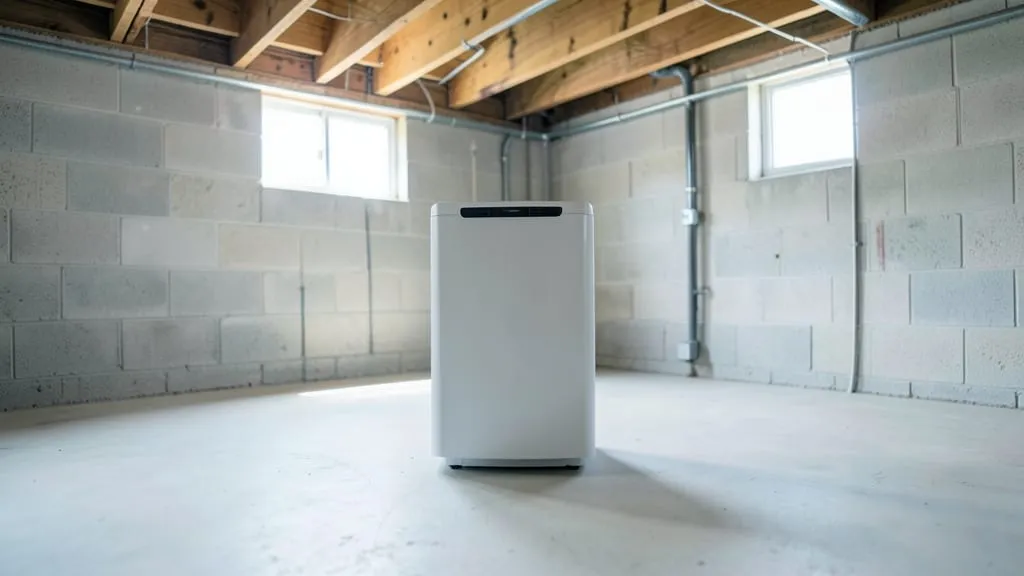
Dehumidifiers and vapor barriers are standard in basements and crawl spaces across Dennis, Harwich, and Chatham. Attic ventilation upgrades often resolve chronic condensation issues in Cape-style homes.
Post-remediation, moisture levels should be monitored for at least 6–12 months. Persistent humidity above 60% signals unresolved water intrusion or ventilation gaps.
Painting over mold or using bleach on porous surfaces only masks the problem. Without moisture control, mold will return, often more aggressively.
When to Consider Professional Mold Testing in Yarmouth
Visible growth covering more than 10 square feet warrants professional assessment. Smaller patches may still indicate a larger hidden problem, especially in attics or behind walls.
Unexplained health symptoms—chronic coughs, headaches, or skin irritation—often correlate with hidden mold. Air quality testing can confirm whether spores are circulating at harmful levels.
Before purchasing a home in South Yarmouth, Dennis Port, or Harwich Port, a pre-sale mold inspection protects against costly surprises. Sellers may address issues proactively to avoid negotiations falling through.
Signs You Need a Mold Inspection
- Musty odors in basements, attics, or crawl spaces
- Water stains on ceilings or walls
- Peeling paint or bubbling wallpaper
- Recent flooding or plumbing leaks
- Allergy symptoms that improve when away from home
- Visible mold growth, even if small
Clearance Testing: The Final Step Before Reoccupancy
After remediation, clearance testing verifies that spore levels match or fall below outdoor baselines. This step is critical for toxic molds or large infestations in occupied spaces.
Testing should occur after all work is complete and the area has been thoroughly dried. Premature testing can yield false negatives if residual moisture is still present.
A passing clearance report provides documentation for real estate transactions or landlord-tenant disputes. In Yarmouth, this is especially valuable for rental properties in high-demand areas like West Yarmouth or Dennis.
How to Collect a Surface Sample for Preliminary Mold Testing
While professional testing is recommended, homeowners can perform preliminary surface sampling to identify potential issues.
- 1Gather Supplies
Use a sterile swab or clear tape, a sealable bag, and gloves. Avoid touching the sample area with bare hands to prevent contamination.
- 2Locate Suspicious Areas
Target visible mold, water stains, or areas with musty odors. Focus on basements, attics, and around windows in Yarmouth homes.
- 3Collect the Sample
For tape lifts, press a piece of clear tape onto the surface, then peel and stick it to a clean slide or plastic bag. For swabs, rub the area firmly and place the swab in a sterile container.
- 4Label and Seal
Note the location, date, and any visible signs of moisture. Seal the sample immediately to prevent cross-contamination.
- 5Send to a Lab
Mail the sample to a certified mold testing lab. Include a chain-of-custody form if provided, and request species identification and spore count analysis.
Frequently Asked Questions
Can I identify mold species myself in my Yarmouth home?
Visual identification is unreliable, as many species look similar. Lab analysis is the only way to confirm species. However, you can note color, texture, and location to help professionals assess the situation.
How long does mold testing take in Yarmouth?
On-site sampling typically takes 1–2 hours, depending on the home’s size and complexity. Lab results usually arrive within 3–7 business days, though some labs offer expedited services.
Is black mold more common in Yarmouth than other areas?
Stachybotrys (black mold) thrives in water-damaged, cellulose-rich environments, which are common in older Cape Cod homes. While not exclusive to Yarmouth, the region’s humidity and storm exposure increase the risk.
What’s the difference between mold testing and air quality testing?
Mold testing focuses on identifying species and spore counts on surfaces or in the air. Air quality testing is broader, measuring pollutants like VOCs, dust, and allergens, but may include mold spore analysis as part of the assessment.
Do I need to leave my home during mold remediation?
For small, contained projects, you may stay if the work area is isolated and proper containment is in place. Large or toxic mold remediation often requires temporary relocation, especially for vulnerable individuals like children, the elderly, or those with respiratory conditions.
Can mold return after remediation in a Yarmouth home?
Yes, if the moisture source isn’t fully resolved. Post-remediation, monitor humidity levels and address any new water intrusion immediately. Regular inspections, especially in prone areas like basements and attics, help prevent recurrence.