How Poor Ventilation Undermines DIY Mold Cleanup in Yarmouth Homes
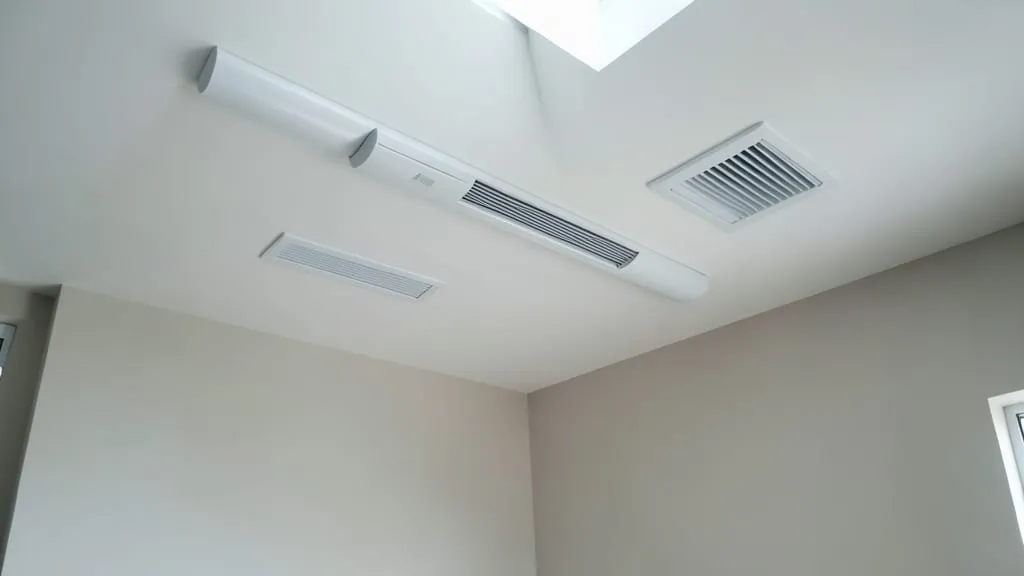
DIY mold cleanup in a poorly ventilated home often does more harm than good. Without proper airflow, disturbed spores spread unseen, and trapped moisture invites regrowth. Yarmouth’s coastal humidity only magnifies the risk.
Why Ventilation Matters During Mold Removal
Mold remediation isn’t just about scrubbing surfaces. Disturbing colonies releases spores into the air, and without ventilation, they settle elsewhere—often in HVAC ducts or adjacent rooms.
In Yarmouth’s damp climate, stagnant air also sustains the high humidity mold thrives on. Even dead spores can trigger allergic reactions if they remain airborne.
A single square foot of mold can release millions of spores. Without containment or ventilation, they’ll colonize new areas within hours.
Signs Your Home’s Ventilation Is Compromising Cleanup
Lingering musty odors after cleaning signal spores are still active. Poor airflow in basements or attics—common in older Cape Cod homes—often traps these odors and moisture.
Visible mold returning within weeks is another red flag. In Yarmouth, crawl spaces and bathrooms without exhaust fans are prime culprits for recurrence.
DIY Ventilation Mistakes That Spread Mold
Opening windows without exhaust fans creates cross-drafts, pushing spores into living spaces. In coastal areas like South Yarmouth, salty air can even accelerate corrosion in ventilation systems.
Using household fans blows spores further. HEPA air scrubbers are the standard for containment, but most DIYers lack access to professional-grade equipment.
Skipping PPE is another error. Without a respirator (N95 minimum), you inhale what you’re trying to remove. Goggles and gloves prevent skin contact with mycotoxins.
DIY Ventilation Do’s and Don’ts
- Do use a dehumidifier to keep humidity below 50%
- Do seal off the work area with plastic sheeting
- Don’t rely on open windows alone for airflow
- Don’t use a regular vacuum—it’ll redistribute spores
How Yarmouth’s Climate Affects Mold and Ventilation
Cape Cod’s maritime climate means high humidity year-round. In summer, warm, moist air condenses on cooler surfaces, feeding mold in basements and behind walls.
Winter brings its own challenges. Heating systems dry indoor air, but poorly insulated attics in Dennis or Harwich can develop condensation, leading to hidden mold growth.
Salt spray near the coast can also degrade ventilation components faster, reducing their effectiveness over time.
Ventilation Solutions for Effective Mold Cleanup
Portable HEPA air scrubbers capture airborne spores during removal. In Yarmouth, renting one for a weekend project is a practical option for homeowners tackling small areas.
Exhaust fans in bathrooms and kitchens should run for at least 30 minutes after use. Upgrading to humidity-sensing models prevents moisture buildup automatically.
For whole-home issues, a professional may recommend installing a dedicated dehumidification system, especially in basements or crawl spaces.
| Tool | Purpose | Best For |
|---|---|---|
| HEPA Air Scrubber | Captures airborne spores | Active mold removal |
| Dehumidifier | Reduces ambient moisture | Prevention and post-cleanup |
| Exhaust Fan | Removes humid air | Bathrooms, kitchens |
| Negative Air Machine | Creates containment | Large or severe infestations |
When to Call a Professional in Yarmouth
If mold covers more than 10 square feet, or if it’s in HVAC systems, a professional remediation crew is necessary. They use commercial-grade equipment and follow containment protocols.
Hidden mold—behind drywall in Barnstable homes or under flooring in Chatham—requires moisture mapping tools most DIYers don’t own.
Health risks escalate with toxic species like Stachybotrys (black mold). Symptoms like chronic coughing or headaches warrant expert intervention.
Some homeowners policies in Massachusetts cover mold remediation if the cause was a covered peril, like a burst pipe. Check your policy and document the damage.
Preventing Mold Regrowth After Cleanup
Fix the moisture source first. In Yarmouth, this often means repairing leaks, improving drainage around the foundation, or adding vapor barriers in crawl spaces.
Regularly inspect areas prone to dampness: basements in West Yarmouth, attics in Dennis, and bathrooms without windows. A moisture meter can detect hidden issues early.
Maintain ventilation systems. Clean HVAC ducts annually, and replace filters every 1-3 months to prevent spore circulation.
How to Improve Ventilation for Safer DIY Mold Cleanup
Proper airflow reduces spore spread and lowers regrowth risk.
- 1Contain the Work Area
Seal the room with 6-mil plastic sheeting and tape. Use a zipper door for entry/exit to minimize spore escape.
- 2Use a HEPA Air Scrubber
Position it near the containment area to capture airborne spores. Run it continuously during and after cleanup.
- 3Deploy Exhaust Fans
Place a fan in a window blowing outward to vent contaminated air outside. Avoid pointing fans at clean areas.
- 4Wear Proper PPE
Use an N95 respirator, gloves, and goggles. Disposable coveralls prevent carrying spores to other rooms.
- 5Dry the Area Thoroughly
After cleaning, use a dehumidifier to bring moisture levels below 50%. Monitor with a hygrometer for 24-48 hours.
Frequently Asked Questions
Can I use a regular fan for ventilation during mold cleanup in Yarmouth?
No. Regular fans lack HEPA filtration and will spread spores to other areas. Air scrubbers or exhaust fans venting outdoors are the only safe options for active remediation.
How long should I run a dehumidifier after DIY mold cleanup?
Run it continuously until humidity stays below 50% for at least 48 hours. In Yarmouth’s humid climate, this may take several days in basements or crawl spaces.
Is bleach effective for mold cleanup in damp areas like South Yarmouth?
Bleach only works on non-porous surfaces and doesn’t address the root moisture issue. For porous materials like drywall, use an EPA-registered antimicrobial. Always prioritize fixing leaks or ventilation first.
What’s the risk of cleaning mold without proper ventilation?
You risk inhaling high concentrations of spores, which can cause respiratory issues, allergic reactions, or long-term health problems. Spores can also spread, leading to larger infestations in Dennis, Harwich, or other nearby areas.
Are there local building codes in Yarmouth for mold remediation?
Massachusetts doesn’t have statewide mold remediation codes, but local health departments may have guidelines. For commercial properties or large residential jobs, following IICRC S520 standards is recommended.
Can poor ventilation cause mold in attics in Yarmouth?
Absolutely. Insufficient attic ventilation traps heat and moisture, leading to condensation on roof sheathing. This is common in older Cape Cod homes, especially in areas like Brewster or Orleans with older housing stock.