How to Assess Your Yarmouth Home’s Risk for Hidden Mold
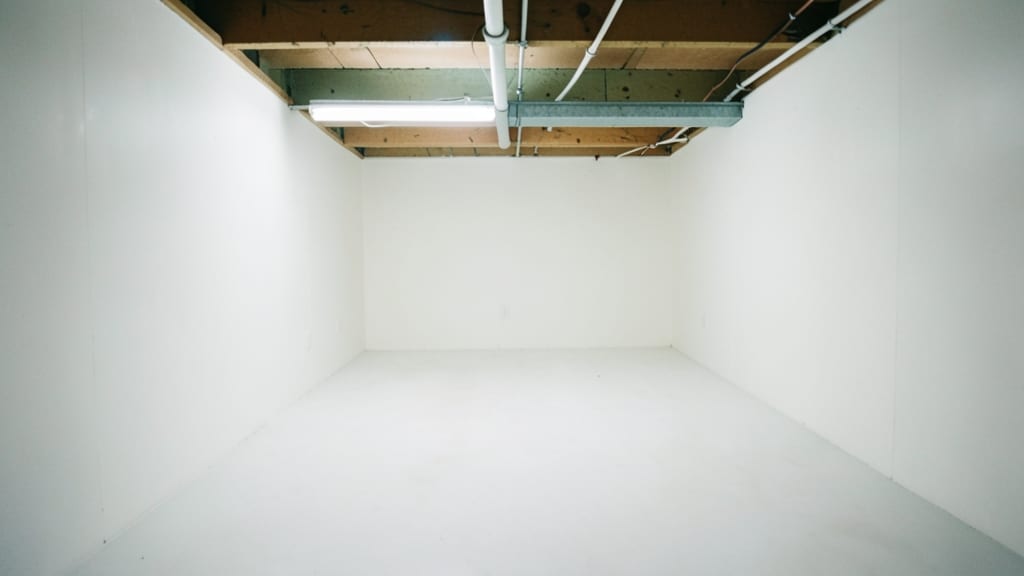
Hidden mold thrives in damp, poorly ventilated spaces common to Cape Cod homes. Yarmouth’s coastal climate, with its high humidity and seasonal storms, creates ideal conditions for undetected growth. Early assessment can prevent structural damage and health risks before they escalate.
Why Yarmouth Homes Are Prone to Hidden Mold
The region’s proximity to Nantucket Sound brings persistent moisture, especially in basements and crawl spaces. Salt air accelerates condensation on cooler surfaces, feeding mold colonies unseen behind walls or under flooring.
Older properties in South Yarmouth or West Yarmouth often lack modern vapor barriers. Aging insulation and single-pane windows worsen indoor humidity, particularly during the damp spring and fall shoulder seasons.
Top Hidden Mold Hotspots in Cape Cod Homes
Attics are prime targets. Poor ventilation traps heat and moisture, leading to mold on sheathing, rafters, or insulation. Ice dams in winter can introduce leaks that go unnoticed until mold appears.
Basements and crawl spaces in Dennis, Barnstable, or Harwich often suffer from groundwater seepage or inadequate drainage. Concrete walls wick moisture, while dirt floors in crawl spaces emit humidity continuously.
HVAC systems can distribute spores if ductwork or coils harbor mold. This is especially common in homes near Harwich Port or Chatham, where salt air corrodes components faster.
| Area | Typical Mold Types | Early Warning Signs |
|---|---|---|
| Attic | Aspergillus, Cladosporium | Musty odors, stained insulation, warped wood |
| Basement/Crawl Space | Stachybotrys (black mold), Penicillium | Efflorescence, rust on metal, peeling paint |
| HVAC Ducts | Acremonium, Fusarium | Reduced airflow, earthy smells when system runs |
| Bathrooms | Alternaria, Ulocladium | Grout discoloration, caulk deterioration |
| Under Sinks | Chaetomium, Trichoderma | Water stains, soft or swollen cabinet bases |
Moisture: The Root Cause of Mold Growth
Mold requires moisture to germinate and spread. Relative humidity above 60% for 24–48 hours can trigger growth on organic materials like wood, drywall, or cardboard.
Leaks from plumbing, roofs, or windows are obvious culprits. Less apparent are condensation from temperature differentials or high indoor humidity from cooking, showering, or drying clothes indoors.
Ideal indoor humidity for mold prevention is 30–50%. Levels above 60% significantly increase risk, especially in poorly ventilated areas like basements in South Dennis or East Harwich.
Visual and Sensory Clues of Hidden Mold
Not all mold is visible. Look for water stains, bubbling paint, or warped baseboards—signs of past or ongoing moisture. Peeling wallpaper or cracked caulk in bathrooms can also indicate hidden issues.
Musty odors are a red flag. If a room smells earthy or stale, especially after being closed up, investigate further. Mold can lurk behind furniture, under carpets, or inside wall cavities.
Health symptoms can also signal hidden mold. Unexplained allergies, respiratory issues, or skin irritation that improve when away from home may warrant a professional mold inspection.
DIY Assessment Tools and Techniques
A moisture meter helps detect elevated humidity in walls, floors, or ceilings. Readings above 15–20% in wood or 1% in drywall suggest a problem requiring attention.
Thermal imaging cameras reveal temperature differences that indicate moisture. Cold spots on walls or ceilings often correspond to leaks or condensation prone to mold growth.
Simple tests like the tape lift or swab tests can identify mold types. However, these only sample surface mold and may miss hidden colonies. Air quality testing provides a more comprehensive picture.
DIY Mold Risk Checklist
- Inspect for water stains or discoloration on walls and ceilings
- Check under sinks, around toilets, and behind appliances for leaks
- Look for condensation on windows or pipes, especially in winter
- Test humidity levels in basements, attics, and crawl spaces
- Note any musty odors, particularly in enclosed spaces
- Examine HVAC filters and ductwork for visible mold or dust buildup
When to Call a Professional for Mold Testing
If DIY efforts reveal persistent moisture or visible mold covering more than 10 square feet, professional testing is advisable. This is especially true in older homes in Barnstable Town or Orleans, where hidden issues are common.
Air quality testing can detect spores not visible to the naked eye. Professionals use spore traps, culturable samples, or PCR analysis to identify mold types and concentrations.
Post-remediation verification is critical. Even after cleanup, testing ensures spores are reduced to safe levels, particularly in areas like New Seabury or Popponesset Island with high humidity.
Surface testing is best for visible mold, while air testing captures hidden spores. For comprehensive results, combine both methods, especially in large or complex homes.
Preventing Mold in Yarmouth’s Climate
Controlling humidity is the first line of defense. Dehumidifiers in basements and crawl spaces, particularly in West Yarmouth or Dennis Port, can maintain safe levels. Aim for units rated for the space size with automatic drainage.
Proper ventilation is key. Exhaust fans in bathrooms and kitchens should vent outdoors, not into attics. Attic and soffit vents prevent moisture buildup in roof structures, common in homes near Nantucket Sound.
Regular maintenance reduces risks. Clean gutters and downspouts to direct water away from foundations. Inspect roofs annually for damaged shingles or flashing, and seal gaps around windows and doors.
Long-Term Solutions for High-Risk Areas
Encapsulation can seal crawl spaces in Sandwich or Mashpee Neck, preventing moisture from entering the home. A vapor barrier installed over dirt floors, combined with a dehumidifier, creates a controlled environment.
Improving drainage around the foundation helps. French drains or graded landscaping direct water away from the home, reducing basement seepage in areas like East Sandwich or Forestdale.
Upgrading insulation and air sealing can prevent condensation. Spray foam insulation in attics or basements reduces temperature differentials that lead to moisture issues, common in older Cape Cod homes.
How to Conduct a Basic Mold Risk Walkthrough
A systematic inspection helps identify potential mold hotspots before they become major problems.
- 1Start with the Exterior
Walk the perimeter of the home, checking for cracked foundation, poor grading, or clogged gutters. Note any areas where water pools near the structure, especially after rain.
- 2Inspect the Basement or Crawl Space
Look for signs of moisture: efflorescence on walls, rust on metal components, or standing water. Use a moisture meter to check for elevated levels in wood or concrete.
- 3Check Attic and Roof
Examine the attic for leaks, stained insulation, or condensation on the underside of the roof. Ensure vents are unobstructed and that the attic is properly ventilated.
- 4Review Interior Spaces
Inspect bathrooms, kitchens, and laundry areas for leaks or poor ventilation. Check under sinks, around toilets, and behind appliances for water damage or mold growth.
- 5Test Humidity Levels
Use a hygrometer to measure humidity in each room, paying special attention to basements, attics, and bathrooms. Record readings above 60% for follow-up.
- 6Document Findings
Take photos and notes of any issues found. Prioritize repairs based on severity, starting with active leaks or high-moisture areas to prevent further mold growth.
Frequently Asked Questions
Can hidden mold in my Yarmouth home affect my health?
Yes. Hidden mold can release spores and mycotoxins that trigger allergies, asthma, or respiratory issues. Symptoms may include coughing, sneezing, skin irritation, or headaches, especially in sensitive individuals. Long-term exposure can lead to more serious health problems.
How do I know if my home’s musty smell is mold?
Musty odors often indicate mold, particularly if the smell persists or worsens in damp conditions. To confirm, inspect for visible mold or moisture sources. If the odor remains but no mold is visible, professional air quality testing can identify hidden spores.
Is mold more common in older homes in Dennis or Barnstable?
Older homes are often more susceptible due to aging materials, poor ventilation, and outdated construction practices. However, newer homes can also develop mold if moisture issues like leaks or high humidity are not addressed. Regular inspections are key for all properties.
What’s the difference between mold testing and mold inspection?
Mold inspection involves a visual assessment of the property to identify moisture sources and visible mold. Mold testing, on the other hand, collects samples (air, surface, or bulk) to determine the type and concentration of mold spores present. Both are often used together for a thorough evaluation.
Can I remove hidden mold myself, or should I hire a professional?
Small, contained areas of mold (under 10 square feet) can often be cleaned with proper precautions and EPA-approved methods. However, hidden or extensive mold, especially in HVAC systems or structural components, typically requires professional remediation to ensure safe and thorough removal.
How can I prevent mold in my vacation home in Chatham or Harwich?
Vacation homes are particularly vulnerable due to periods of inactivity. Use smart dehumidifiers with remote monitoring, ensure proper ventilation, and have a trusted local contact inspect the property regularly for leaks or moisture issues. Consider a professional inspection before and after the off-season.