How Moisture Mapping Helps Prevent Future Mold Problems in Yarmouth
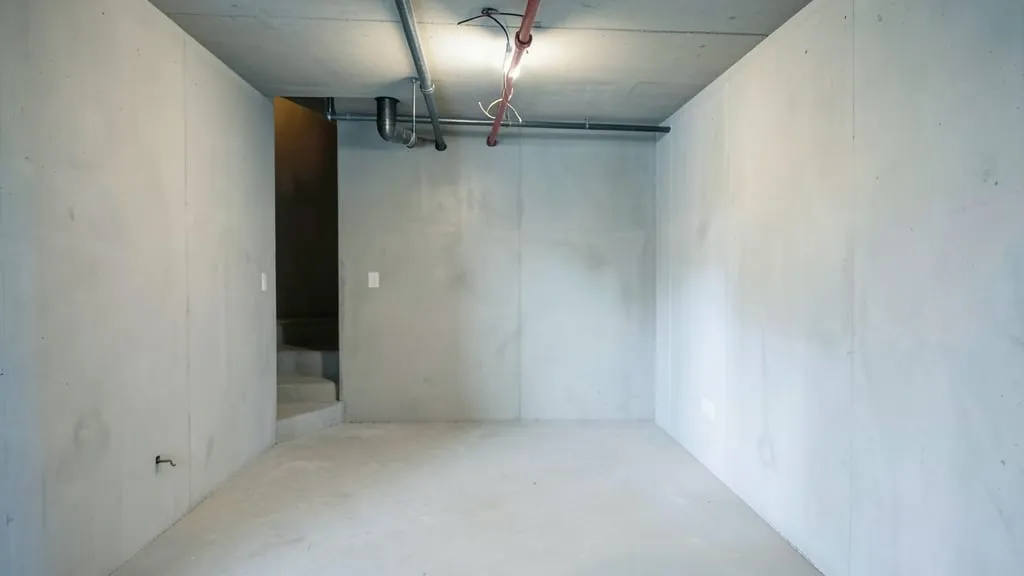
Mold thrives where moisture lingers unseen. In Yarmouth’s humid coastal climate, hidden water sources in walls, crawl spaces, or attics can fuel recurring infestations. Moisture mapping pinpoints these risks before they escalate, turning reactive remediation into proactive prevention.
What Is Moisture Mapping in Mold Prevention?
Moisture mapping is a systematic process to detect, measure, and document water intrusion or high humidity in a structure. It uses tools like thermal imaging cameras, hygrometers, and moisture meters to create a visual or data-based layout of problem areas.
Unlike spot checks, mapping covers the entire property to reveal patterns—such as consistent condensation in a South Yarmouth crawl space or seasonal leaks in a Dennis Port attic. This data guides targeted remediation and long-term moisture control.
Why Yarmouth Homes Need Proactive Moisture Control
Cape Cod’s maritime climate brings high humidity, frequent rain, and temperature swings that stress building envelopes. Older homes in Barnstable or Harwich often lack modern vapor barriers, making them prone to hidden moisture buildup.
Basements, crawl spaces, and attics in Yarmouth and nearby areas like West Dennis or East Harwich are common hotspots. Without mapping, water can seep into drywall or insulation, creating ideal conditions for mold spores to colonize.
Mold can grow within 24–48 hours of water exposure. By the time visible signs appear, the problem may have spread behind walls or under flooring.
Tools and Techniques Used in Moisture Mapping
Thermal imaging cameras reveal temperature differences that indicate moisture. Infrared scans can spot cold spots in walls or ceilings where condensation forms, common in uninsulated attics in Chatham or Orleans.
Hygrometers and psychrometers measure relative humidity, while pin-type or pinless moisture meters assess water content in materials like wood, drywall, or concrete. Borescopes inspect tight spaces, such as inside wall cavities or HVAC ducts.
| Tool | Purpose | Best For |
|---|---|---|
| Thermal Imaging Camera | Detects temperature variations indicating moisture | Walls, ceilings, attics |
| Hygrometer | Measures relative humidity in air | Indoor air quality assessments |
| Pinless Moisture Meter | Non-invasive moisture detection in materials | Drywall, wood, concrete |
| Borescope | Visual inspection of hidden areas | Wall cavities, HVAC ducts |
| Psychrometer | Measures air temperature and humidity | Precise environmental readings |
Key Areas to Focus On During Moisture Mapping
Basements and crawl spaces in Yarmouth, South Dennis, or Harwich Center are high-risk due to poor drainage or lack of encapsulation. Mapping here often reveals ground moisture wicking into foundation walls.
Attics require attention, especially in older homes in Brewster or North Eastham. Inadequate ventilation traps humidity, leading to condensation on rafters or sheathing. Bathrooms, kitchens, and laundry rooms also demand scrutiny for plumbing leaks or exhaust failures.
How Moisture Mapping Informs Mold Remediation
Data from moisture mapping helps crews in the area prioritize remediation efforts. For example, if mapping shows high humidity in a West Yarmouth crawl space, encapsulation with a vapor barrier and dehumidification may be recommended.
In cases of water damage restoration, mapping identifies the source—whether a roof leak in East Sandwich or a plumbing issue in Mashpee Neck—so repairs address the root cause, not just the mold. This prevents recurrence and reduces the need for repeated mold removal.
Combine moisture mapping with regular inspections, especially after heavy storms or seasonal humidity spikes. Early detection saves time and cost in areas like Popponesset or Seabrook.
Moisture Mapping vs. Traditional Mold Inspections
Traditional mold inspections often focus on visible growth or air quality testing. While these methods identify existing problems, they may miss hidden moisture that will cause future issues.
Moisture mapping, on the other hand, is predictive. It identifies conditions that *will* lead to mold if unaddressed, making it a critical tool for long-term prevention in homes across Yarmouth, Dennis, and Barnstable Town.
When to Schedule Moisture Mapping in Yarmouth
Ideal times include before purchasing a home, after water damage, or during seasonal transitions. Spring and fall in Yarmouth bring increased rainfall and humidity, making these periods critical for proactive checks.
Homeowners should also consider mapping after major renovations, especially in areas like attics or basements, where new construction can inadvertently trap moisture. Regular mapping every 1–2 years can catch issues early in vulnerable properties.
Long-Term Benefits of Moisture Mapping for Homeowners
Beyond mold prevention, moisture mapping improves indoor air quality by reducing humidity that can trigger allergies or respiratory issues. It also protects structural integrity, preventing wood rot or corrosion in homes from Sagamore to Monomoscoy Island.
For commercial properties in Hyannis or Orleans, mapping can prevent costly downtime from mold-related closures. It’s an investment in the property’s longevity and the health of its occupants.
Signs You May Need Moisture Mapping
- Musty odors in basements, attics, or crawl spaces
- Visible water stains or discoloration on walls/ceilings
- Peeling paint or wallpaper in humid areas
- Condensation on windows or pipes
- Recent water damage or plumbing repairs
- Unexplained allergies or respiratory issues indoors
How to Prepare for a Moisture Mapping Assessment
A thorough assessment requires access and clarity to yield accurate results.
- 1Clear Access Points
Move stored items away from walls, especially in basements, attics, and crawl spaces. Ensure inspectors can reach all areas, including behind furniture or under flooring.
- 2Document Known Issues
Note any past water damage, leaks, or areas with visible mold or musty odors. Share this history with the technician to focus the mapping efforts.
- 3Control Indoor Conditions
Avoid using humidifiers or dehumidifiers 24 hours before the assessment. Keep HVAC systems running normally to provide a realistic snapshot of moisture levels.
- 4Check Exterior Drainage
Ensure downspouts and gutters are clear and directing water away from the foundation. Poor drainage can skew results, especially in low-lying areas like Seconsett Island.
- 5Plan for Follow-Up
Be prepared to discuss remediation options if high moisture is detected. Prioritize fixes based on the mapping data to address the most critical areas first.
Frequently Asked Questions
How long does moisture mapping take in a typical Yarmouth home?
The duration depends on the home’s size and complexity. A standard single-family home in Yarmouth or Dennis may take 2–4 hours. Larger properties or those with multiple levels, such as homes in New Seabury, can require a full day for thorough mapping.
Can moisture mapping detect mold directly?
No, moisture mapping identifies the conditions that allow mold to grow. For direct mold detection, separate mold testing or air quality testing is needed. However, mapping is a proactive step to prevent mold by eliminating its root cause: excess moisture.
Is moisture mapping necessary if there’s no visible mold?
Yes. Mold often grows in hidden areas like behind drywall or under flooring. In Yarmouth’s climate, high humidity can create ideal conditions for mold even without visible signs. Moisture mapping helps catch these issues early.
What’s the difference between moisture mapping and a home inspection?
A standard home inspection assesses structural and mechanical systems but may not include detailed moisture analysis. Moisture mapping focuses specifically on detecting water intrusion and humidity levels, using specialized tools to identify risks that a general inspection might miss.
Are crawl spaces in Yarmouth particularly prone to moisture issues?
Yes. Crawl spaces in Yarmouth, South Dennis, or Harwich Port often lack proper ventilation or vapor barriers, making them highly susceptible to ground moisture and condensation. Moisture mapping can reveal these issues before they lead to mold or structural damage.
How often should moisture mapping be done in a coastal home?
For homes in Yarmouth and surrounding Cape Cod towns, moisture mapping every 1–2 years is recommended, especially in older properties or those with a history of water issues. Seasonal checks after heavy storms or humidity spikes can also be beneficial.